


Pollen forecast for Lower Austria for 1 October 2026
Sunny autumn days, with moderate levels of fungal spores and ragweed pollen in the air possible!
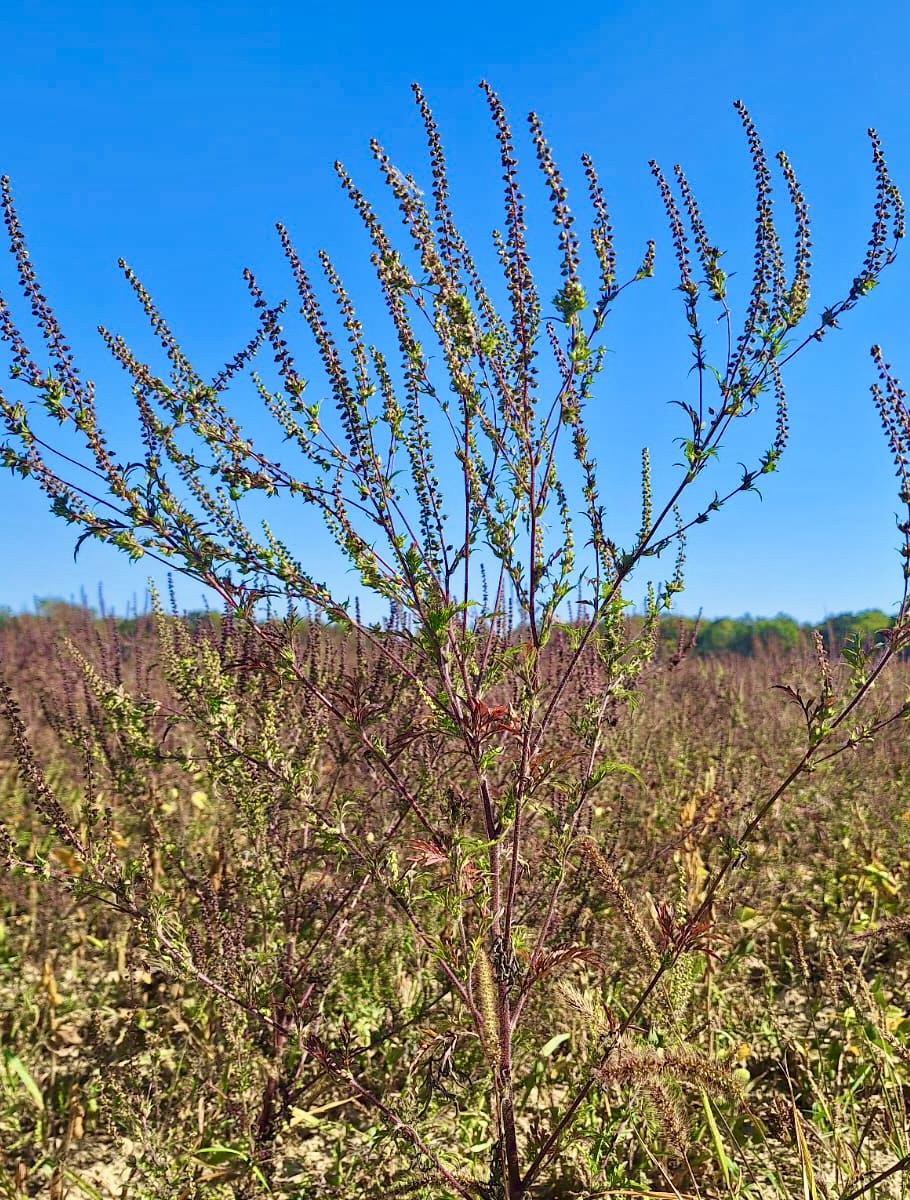
The pleasant, dry autumn weather is set to continue in Lower Austria into next week, with maximum daytime temperatures reaching between 20 °C and 25 °C. The pollen season is well advanced, and local populations of ragweed, mugwort, grasses, stinging nettles and plantain have finished flowering, so they are now releasing only small amounts of pollen. Over the weekend, air currents from the east will dominate; these may carry ragweed pollen into Lower Austria, intensifying local pollen levels. Due to the sunny weather, fungal spore levels will decrease slightly. However, high local concentrations may still occur in deciduous forests.
Furthermore, annual mugwort and Katschatka mugwort may cause localised levels of pollen. Canadian goldenrod is also in flower. For allergy sufferers who are sensitised to mugwort or ragweed, Canadian goldenrod may trigger cross-reactions. Sensitised individuals should avoid dense stands of these four composite flowers.
In addition to the pollen types already mentioned, pollen from ivy, impatiens and cypresses is currently also present in the pollen spectrum. However, these pose only a very low risk of causing allergic reactions.
Responsible for the content
AZ Pollenresearch GmbH im Auftrag der Niederösterreichischen Landesregierung, Gruppe Gesundheit und Soziales, Abteilung Umwelthygiene.
Dr. rer. nat. Johannes M. Bouchal, Lukas Dirr, MSc und Mag. Sabine Kottik.
Wetterdaten und Prognosen basierend auf synoptischen Daten:
GeoSphere Austria, Bundesanstalt für Geologie, Geophysik, Klimatologie und Meteorologie (ehemals ZAMG).
zum Team
