


Pollen forecast for Vienna, 18 June 2026
It’s going to get hot and the grass pollen will be in the air!
The weather forecast for the coming days is: hot and mostly dry. People with grass pollen allergies should therefore expect high levels of pollen.
Should heat-induced thunderstorms occur during the day, pollen levels may be further exacerbated by what is known as ‘thunderstorm asthma’. This is because these weather conditions can cause pollen grains to burst, releasing more allergens into the air, which in turn can lead to a corresponding rise in pollen levels.
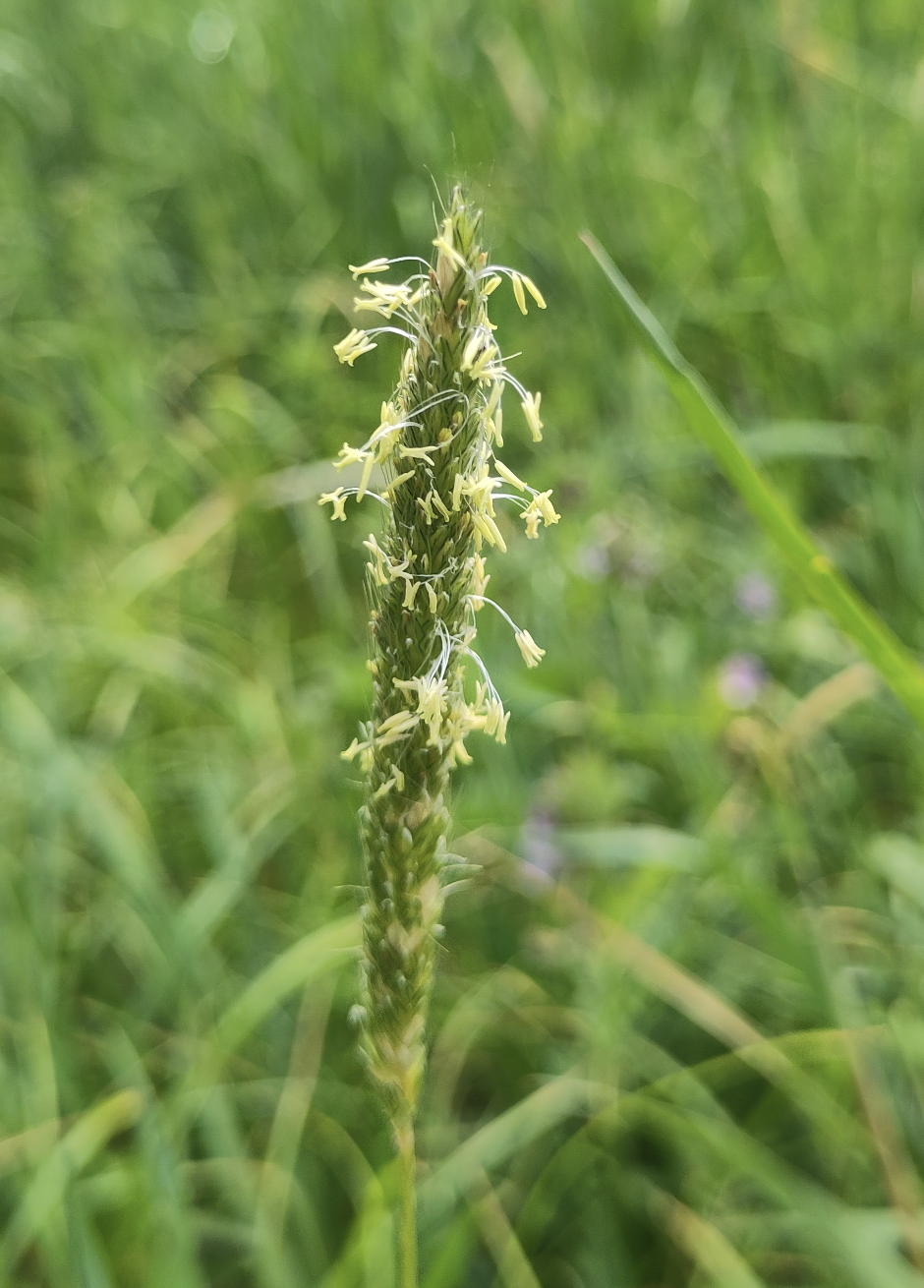
Flowering grasses remain the main cause of these symptoms. These include couch grass, brome grass, smooth oat grass, as well as sweet vernal grass, tufted hairgrass, meadow grass, tufted hairgrass and foxtail grass. In meadow areas, additional pollen levels may also be caused by sorrel and plantain.
Flowering cereal fields in the immediate vicinity can also cause additional pollen levels. However, as cereal pollen is significantly larger and heavier than the pollen of naturally occurring grasses, it is not carried very far by the wind.
Linden blossom is drawing to a close, but is still resulting in measurable pollen concentrations at our monitoring stations. As the flowers of this plant are adapted to insect pollination, they are generally quite rare in the air. However, the scent of the flowers may irritate the airways of sensitive individuals.
Regionally, people who are sensitised to pollen from the olive family may need to expect low concentrations of olive and privet pollen in the air.
Sweet chestnut trees are also in bloom and may trigger cross-reactions in people sensitised to beech or birch trees in the surrounding area.
The tree of heaven, which grows in nutrient-poor and dry locations such as railway embankments or wasteland, has already passed the peak of its flowering season. It is a neophyte from Asia that grows invasively in temperate or Mediterranean climates. Allergic skin reactions have already been reported.
In locations with particularly favourable climatic conditions, the first flowering specimens of mugwort have already been spotted. This marks the start of the herb pollen season locally. However, it will still be a few weeks before the plants are in full bloom across the board. Locally, however, there may already be low levels of allergic exposure.
The warm, humid weather is encouraging the release of fungal spores into the ambient air, which can already cause symptoms in many people with allergies.
In addition to the pollen types mentioned, bee balm, nettles, sour grasses, legumes, grapevines and cypresses are also currently present in the pollen spectrum. However, these pose only a very low allergenic risk.
Responsible for the content
AZ Pollenresearch GmbH
im Auftrag des Vereins Österreichischer Polleninformationsdienst in Kooperation mit der GeoSphere Austria.
Dr. med. Markus Berger, Dr. rer. nat. Johannes M. Bouchal und Lukas Dirr, MSc.
Wetterdaten und Prognosen basierend auf synoptischen Daten:
GeoSphere Austria, Bundesanstalt für Geologie, Geophysik, Klimatologie und Meteorologie (ehemals ZAMG).
zum Team
