

Salzburg Festival 2026
Event workload at the Salzburg Festival
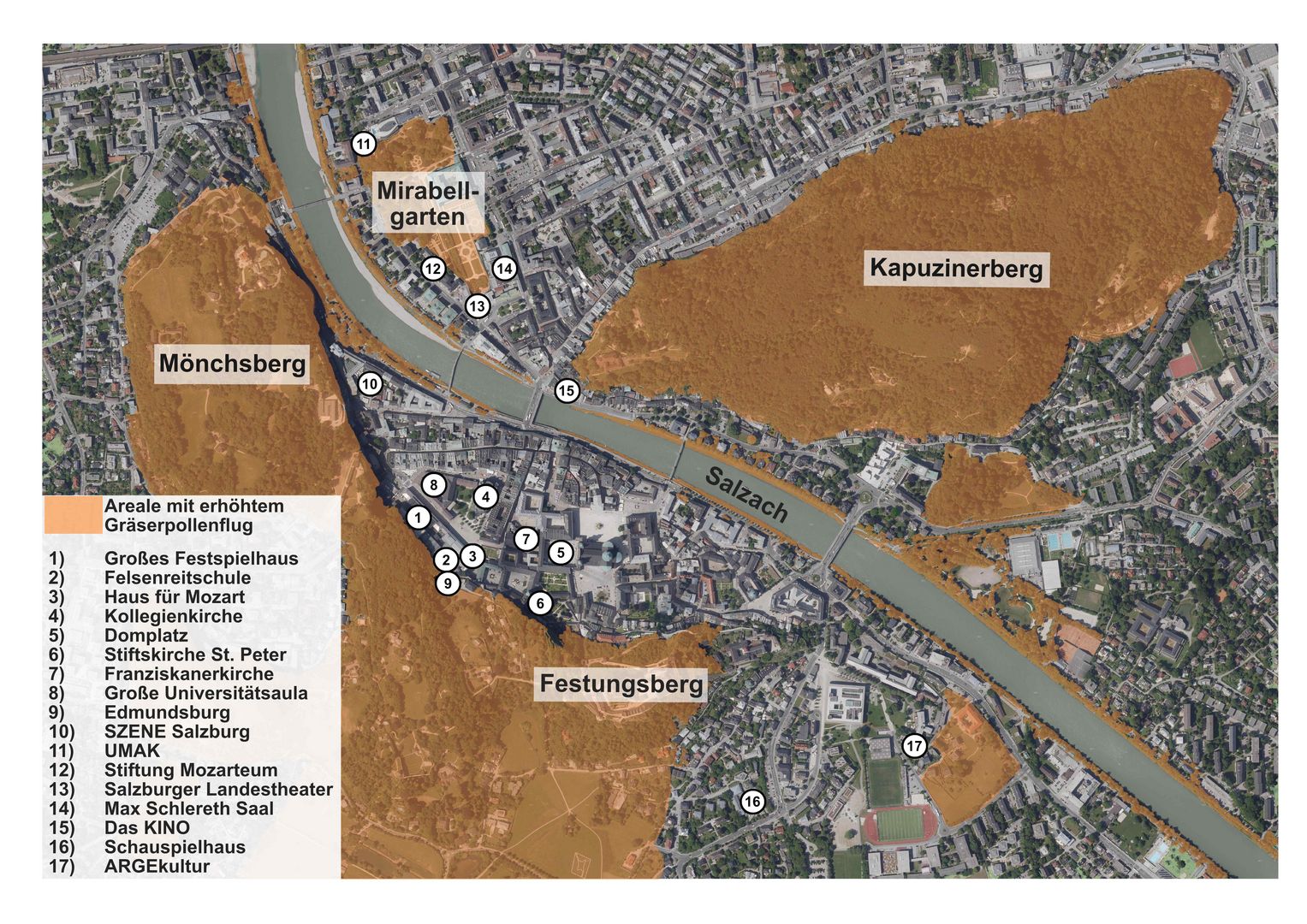
The Salzburg Festival, the city’s most significant major event of the year, takes place from 17 July to 30 August. During this period, numerous cultural events are held at various venues throughout the city (see map), attracting more than 200,000 visitors each year.
As many of the guests suffer from pollen allergies, the Salzburg Pollen Warning Service – on behalf of the Salzburg State Ministry of Health and the State Health Directorate, and with the support of polleninformation.at – is providing, for the first time this year, a pollen forecast specifically for the Salzburg Festival.
Current pollen situation
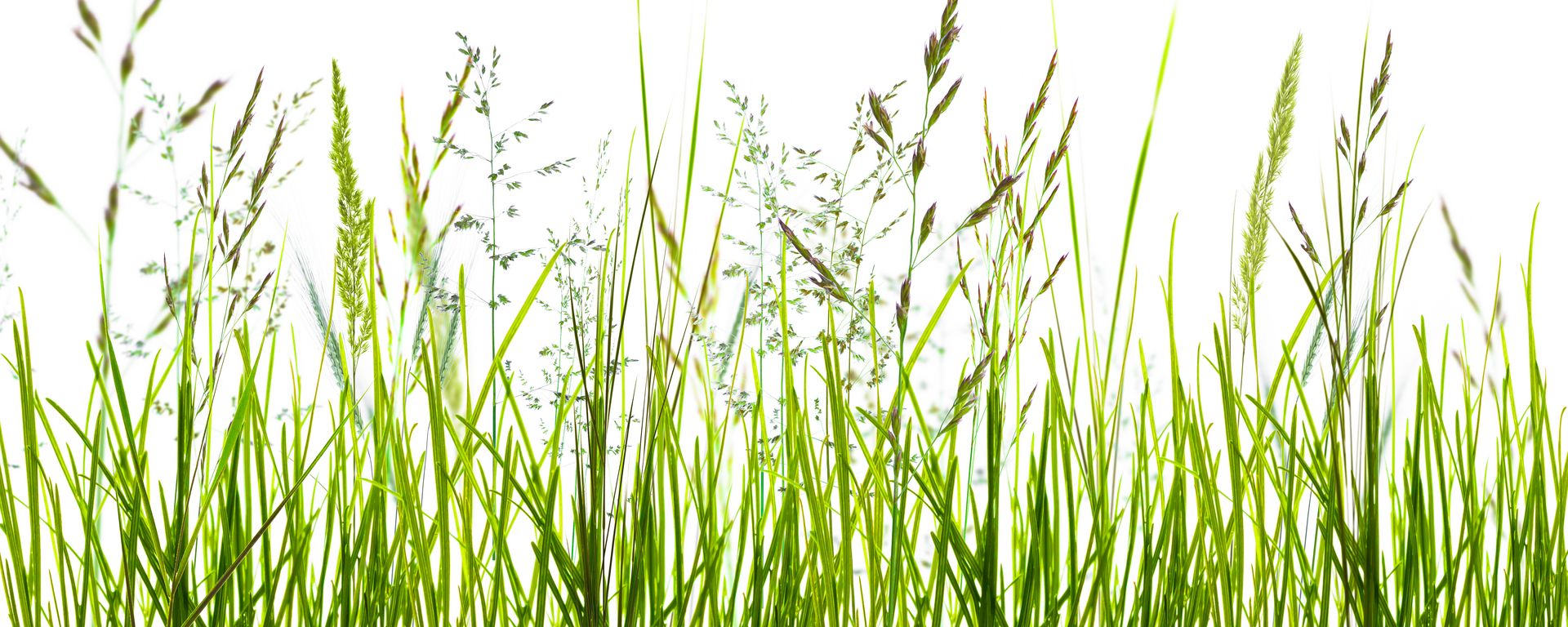
The pollen season is currently in a relatively stable phase. The pollen mix is currently dominated by grass pollen.
Although many grass species have already finished their main flowering period, allergy sufferers must still expect significant pollen levels. In particular, in the areas marked orange on the map, high pollen counts are to be expected.
In the height of summer in particular, elevated ozone concentrations can lead to pronounced allergic symptoms despite comparatively low pollen concentrations.
Thunderstorms, which are common in summer, can also significantly exacerbate exposure. These can cause a sharp rise in the levels of free-floating allergens in the air within a short space of time, which may trigger disproportionately severe symptoms.
Additional exposure to fungal spores
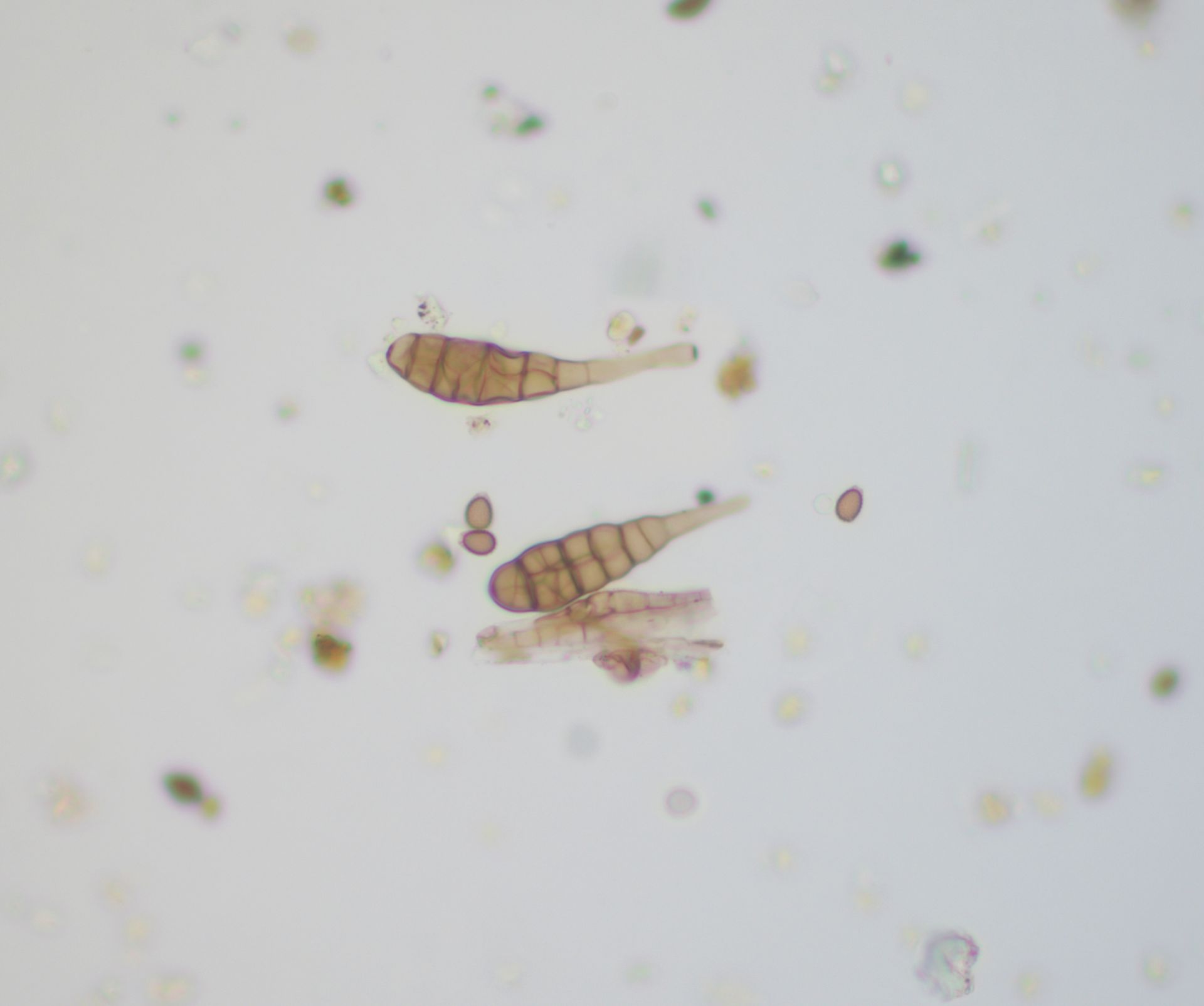
As numerous meadows and fields in the Salzburg area are currently being mown, the concentration of fungal spores in the ambient air is rising alongside the exposure to grass pollen. Under certain wind conditions, these can be carried into the city and contribute to an increased allergic burden there.
Specific features in Salzburg
One distinctive feature is the temporal distribution of pollen levels in Salzburg. Although grasses mainly release their pollen in the morning and early afternoon, the highest pollen concentrations are not usually recorded in the city at these times of day.
This is due to Salzburg’s distinctive topography, which causes large quantities of pollen and other airborne particles to be carried into higher layers of the atmosphere. As evening sets in, this wind pattern reverses: valley winds carry the air from these higher layers back down into the urban area.
For this reason, unlike in many other regions of Austria, the highest grass pollen concentrations in Salzburg are not expected until around 8.00 pm.
Visitors to the Salzburg Festival should therefore expect increased allergy symptoms, particularly on their way home after evening events, and carry their emergency medication with them if necessary.
Other pollens
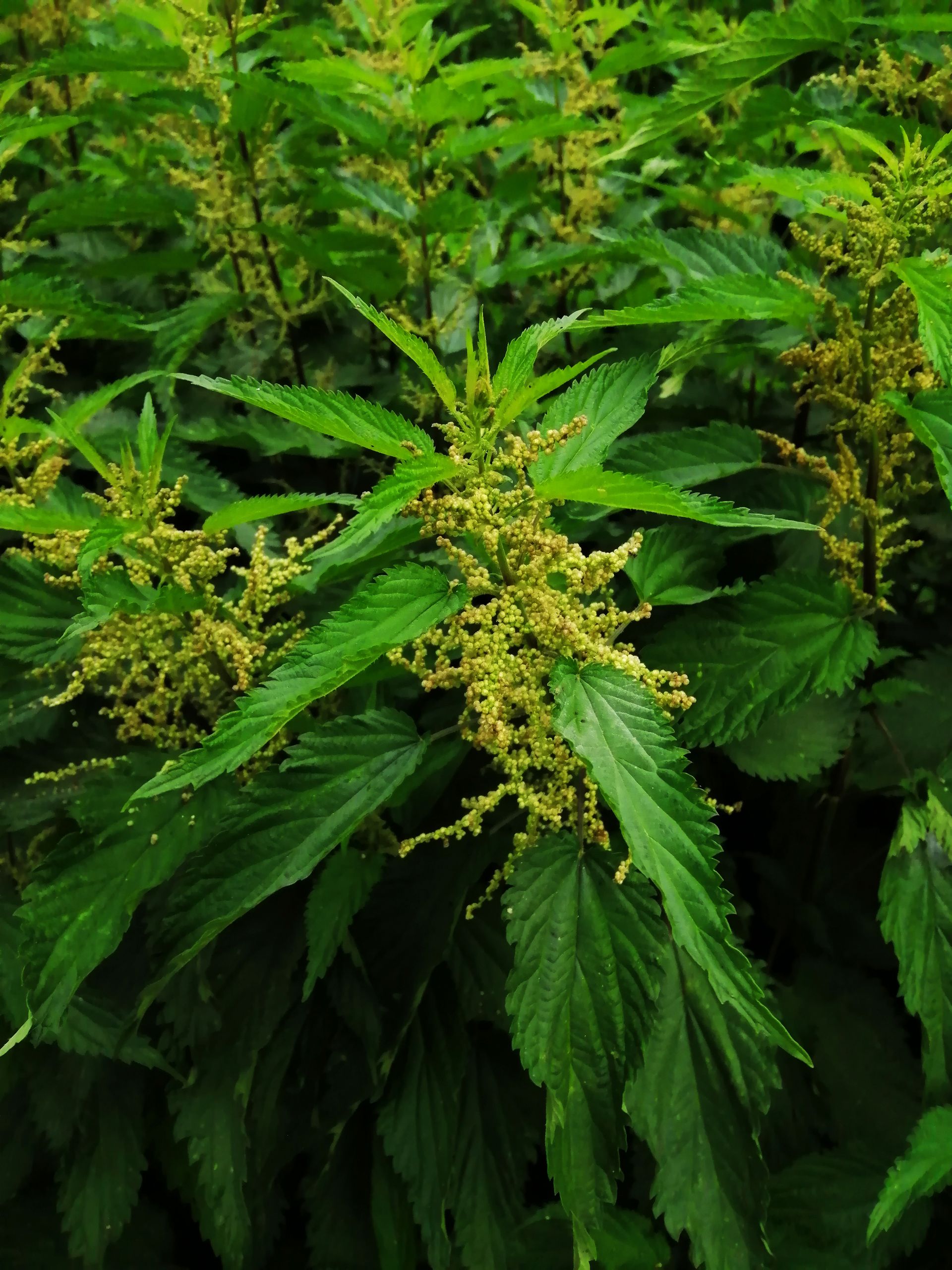
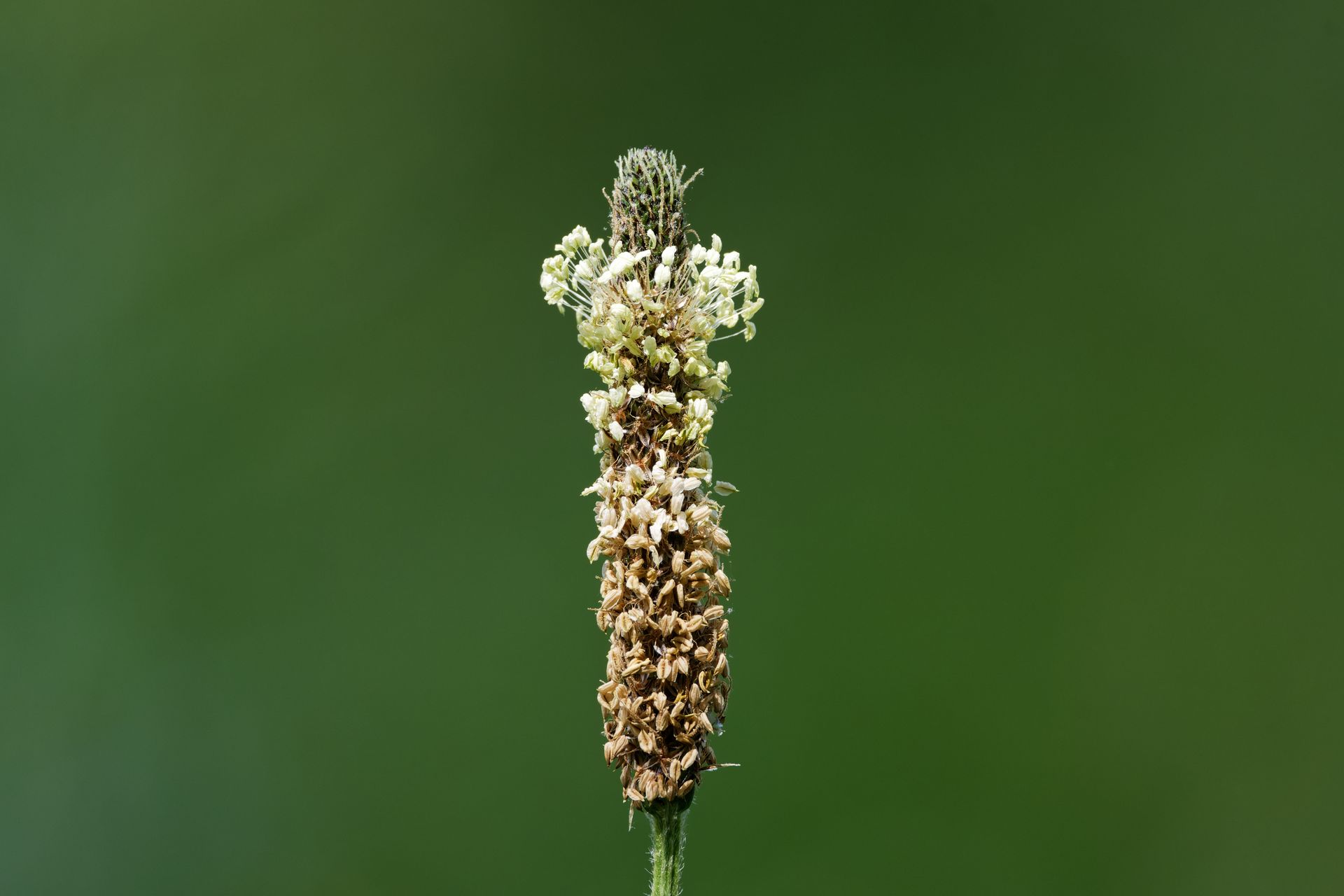
In addition to grass pollen and fungal spores, pollen from nettles, goosefoot plants, meadowsweet, spirea, juniper and plantain is currently present in the air. From an allergological perspective, however, these pollens currently play only a minor role.