


Pollen forecast for Vorarlberg on 24 September 2026
Moderate to high concentrations of fungal spores, hardly any pollen in the air!
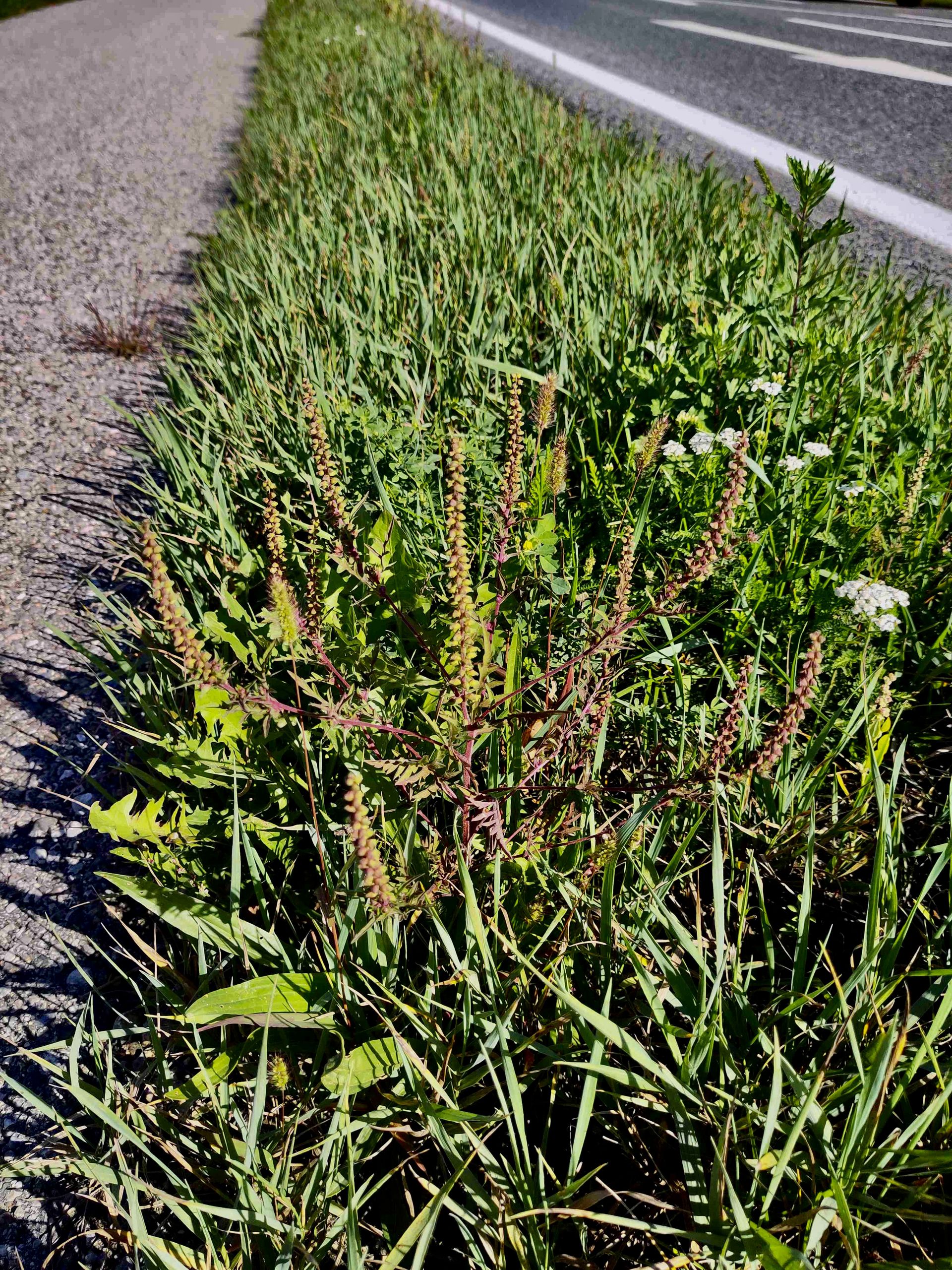
On Thursday and Friday, it will remain cloudy but pleasant and dry. The sun will come out at the weekend, with maximum daytime temperatures of up to 25 °C possible. As the pollen season is already well advanced, only very low pollen concentrations were detected at our monitoring station in Feldkirch. Of the herbaceous allergenic plants, such as ragweed, mugwort, grasses, stinging nettles and plantain, only a few individual plants are still in flower. At the start of autumn, fungal spore concentrations will continue to reach moderate to high levels.
Canadian goldenrod is still in bloom in Vorarlberg. For people with allergies who are sensitised to mugwort or ragweed, it can trigger cross-reactions. People with allergies should avoid dense stands of this plant.
Responsible for the content
AZ Pollenresearch GmbH
im Auftrag der Vorarlberger Krankenhaus-Betriebsgesellschaft.
Dr. rer. nat. Johannes M. Bouchal und Lukas Dirr, MSc.
Wetterdaten und Prognosen basierend auf synoptischen Daten:
GeoSphere Austria, Bundesanstalt für Geologie, Geophysik, Klimatologie und Meteorologie (ehemals ZAMG).
zum Team
