


Pollen forecast for Vienna for 25 September 2026
A sunny weekend, with high levels of fungal spores; an easterly wind is bringing ragweed pollen!
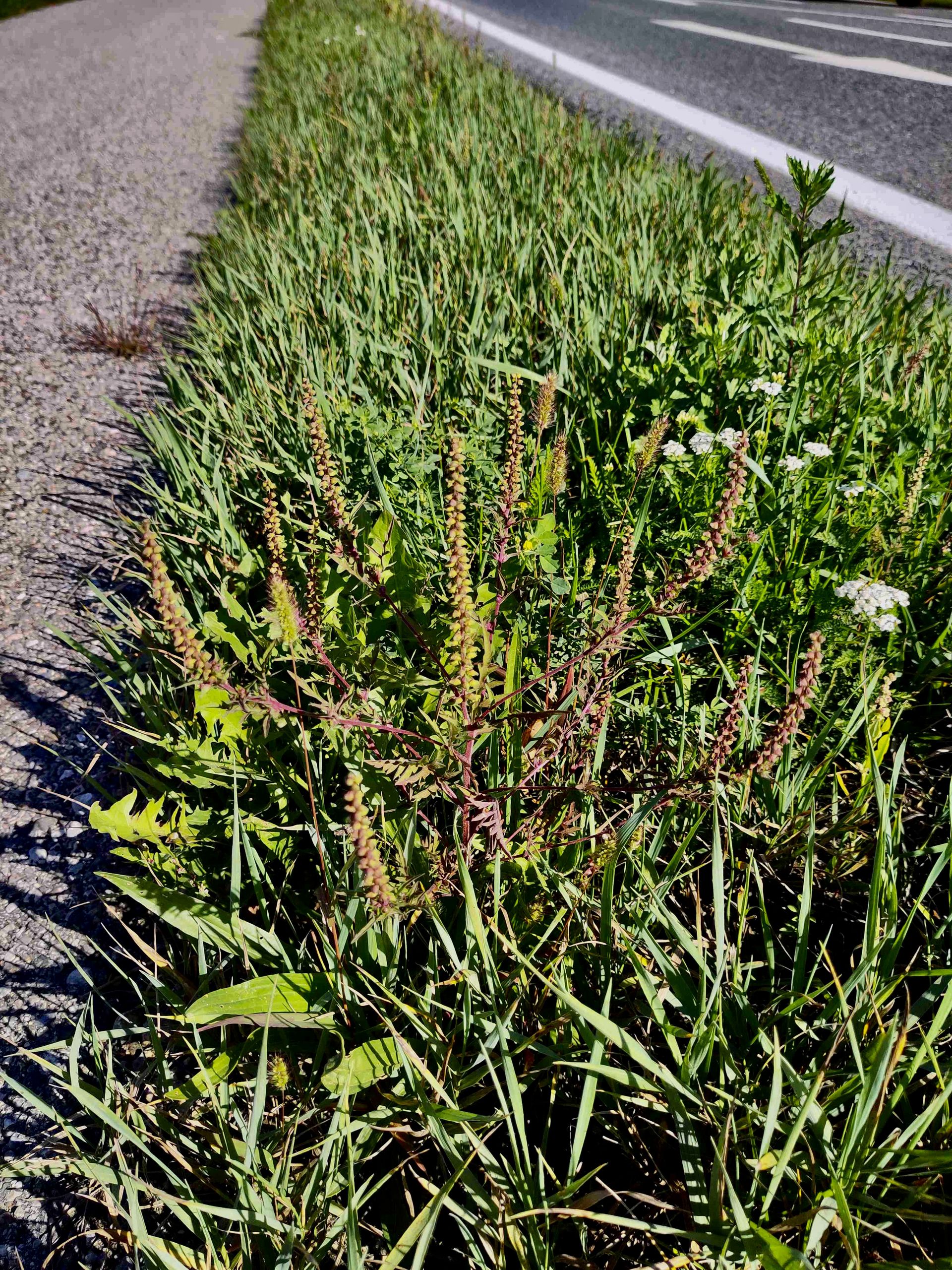
Thursday’s rain has washed the pollen out of the air. Following these showers, fungi will release more spores, causing problems for allergy sufferers who are sensitised to fungal spores. The weekend will then be sunny, pleasant and dry. In Vienna, the pollen season is already well advanced, and most herbaceous allergenic plants, such as stinging nettles, plantain and amaranths, have finished pollinating. These are now usually only detectable in small quantities in the ambient air. The ragweed populations in Vienna have also largely finished pollinating. As westerly winds are expected to prevail over the weekend, ragweed pollen may be transported long-distance to Vienna. This could increase the local pollen count.
The pleasant weather is encouraging the release of pollen from annual mugwort and Kamchatka mugwort; both species are late-flowering and are found in Vienna and the surrounding area. Locally, they may still cause symptoms. As mugwort and ragweed both belong to the Asteraceae family, cross-reactions are possible.
At present, significant levels of grass pollen are only likely to affect those with grass pollen allergies from locally planted ornamental grasses and from reeds along the Danube and the New Danube.
Pollen from cannabis plants, impatiens and ivy are also present in the pollen spectrum. However, they pose only a low allergenic risk.
Responsible for the content
AZ Pollenresearch GmbH
im Auftrag des Vereins Österreichischer Polleninformationsdienst in Kooperation mit der GeoSphere Austria.
Dr. med. Markus Berger, Dr. rer. nat. Johannes M. Bouchal und Lukas Dirr, MSc.
Wetterdaten und Prognosen basierend auf synoptischen Daten:
GeoSphere Austria, Bundesanstalt für Geologie, Geophysik, Klimatologie und Meteorologie (ehemals ZAMG).
zum Team
