

Danube Island Festival 2026
Pollen forecast for the Danube Island Festival from 3 to 5 July 2026
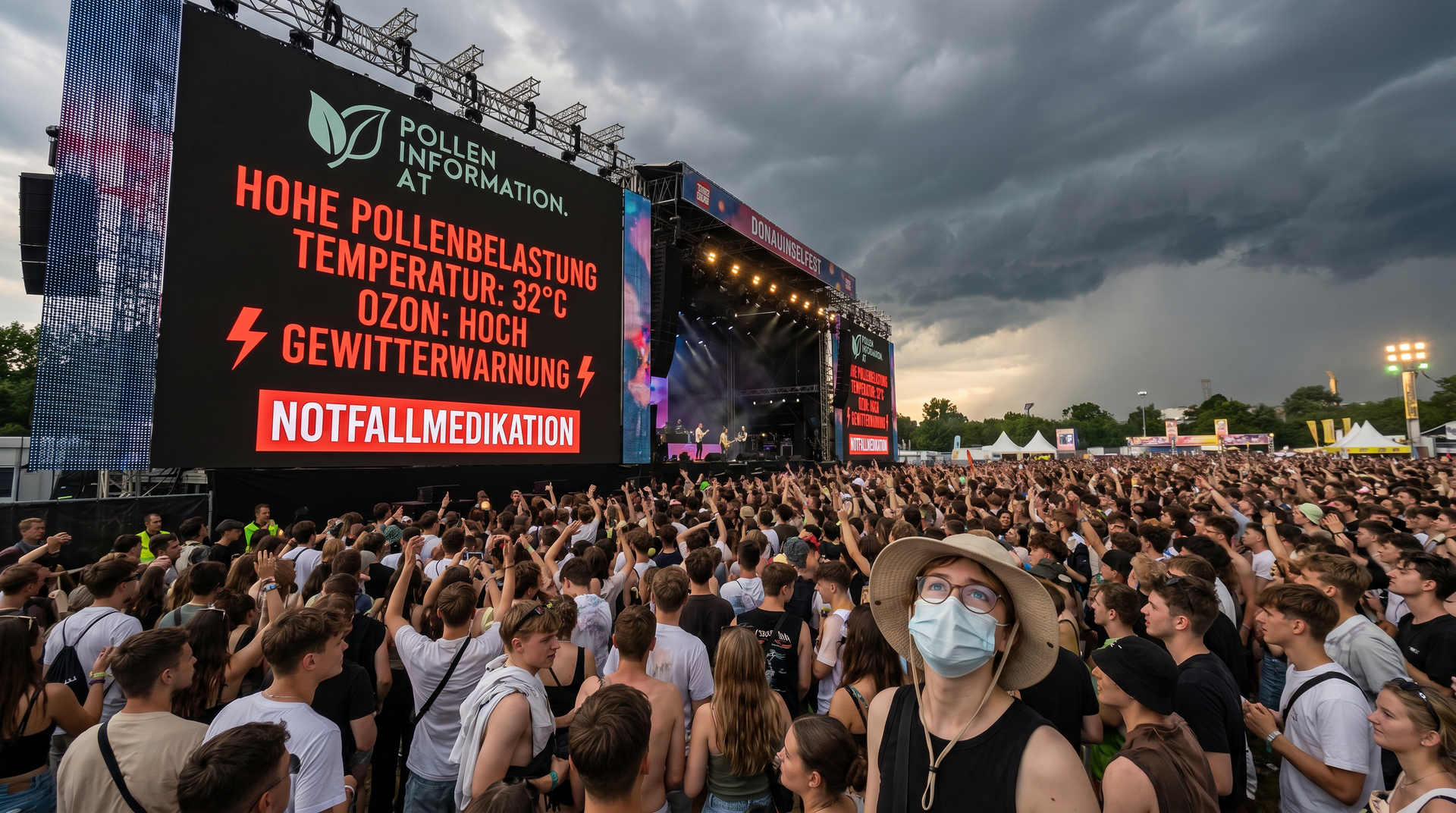
From Friday 3 July to Sunday 5 July, Vienna’s biggest open-air event of the year takes place: the Danube Island Festival. Spanning a distance of around 4.5 km, 14 stages will once again be set up this year between the Nordbrücke and the Reichsbrücke, offering hundreds of hours of entertainment to the expected 2 million visitors. To ensure that all visitors can enjoy the festival as much as possible without any discomfort, here is some information and advice for people with allergies.
Due to the vast size of the event site, there may be local variations in pollen levels. But one thing is certain: grass pollen and fungal spores will be of particular concern to allergy sufferers.
According to the current weather forecast, there is unlikely to be any rain on Friday and Saturday. Maximum daytime temperatures will not exceed the 30-degree mark, creating conditions that favour pollen dispersal. It should be noted that grass pollen is usually released in the morning hours and therefore overlaps only slightly with the evening festival programme. However, it is precisely during this phase of the grass pollen season – that is, towards the end of the peak period – that certain grass species also flower. Unlike most other species, these release their pollen in the afternoon and may therefore cause localised problems on the Danube Island.
In addition to grass pollen, fungal spores now also play a significant role for allergy sufferers. A rapid rise in fungal spore levels is to be expected, particularly following rainfall, such as that forecast for Sunday.
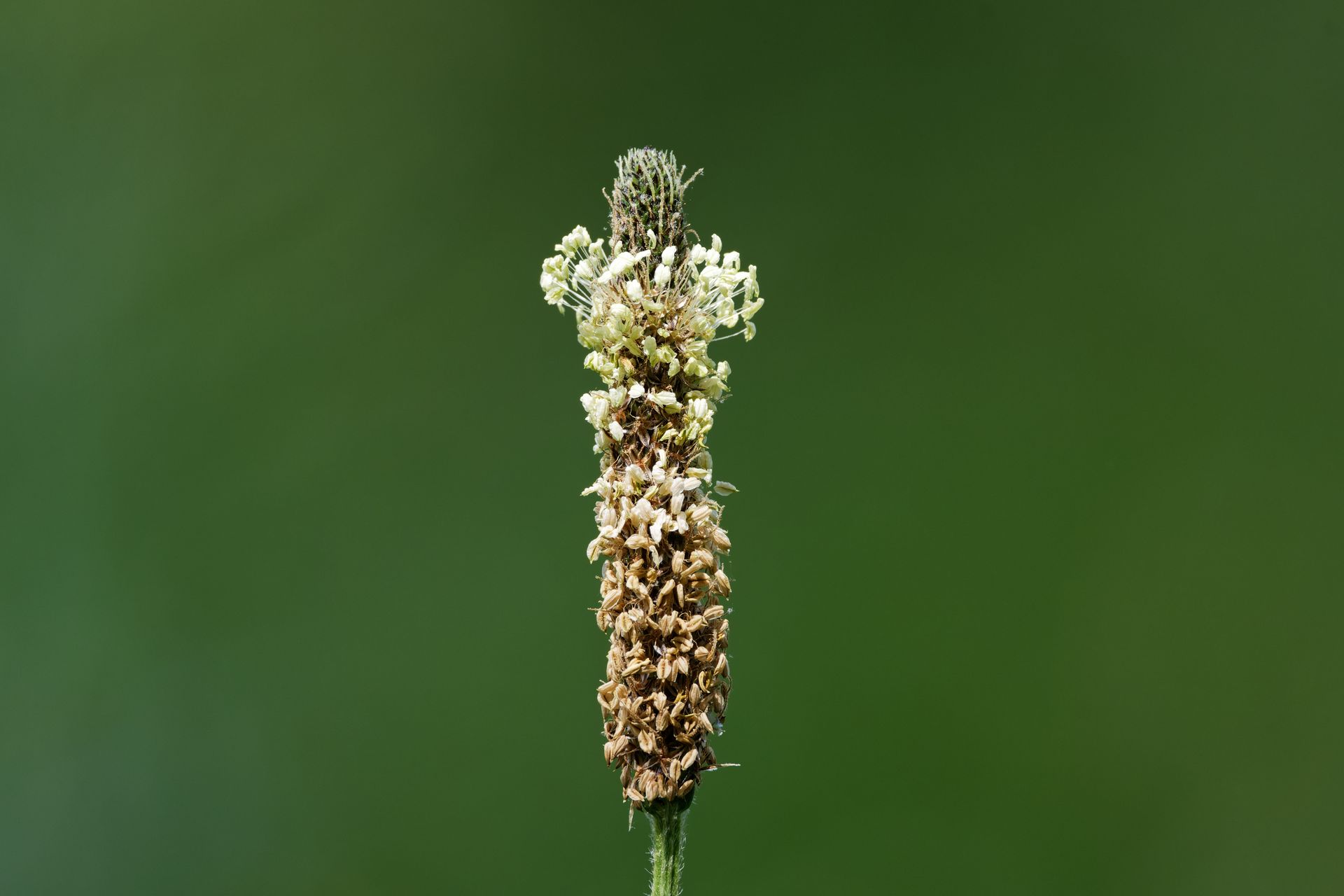
In addition to grass pollen and fungal spores, other types of pollen can also be found in the air: that of plantain, which often grows along roadsides and paths, as well as pollen from the foxtail family. Both can further exacerbate symptoms in those affected by allergies.
Furthermore, we are rapidly approaching the flowering period for mugwort. Numerous specimens of this herbaceous plant can be found along the Danube Island, but, with a few exceptions, they have not yet reached flowering stage. Allergic exposure to the pollen of this composite flower is therefore expected to be only very sporadic and localised. Isolated flowering plants have also been spotted in the Vienna countryside. However, it will still be some time before widespread flowering begins.
Despite the pollen season already being well advanced, allergy sufferers must still expect significant levels of exposure. It is not only pollen and fungal spores that can cause symptoms. The current elevated concentrations of ground-levelozone can also have a negative impact on the well-being of allergy sufferers.
You can get an idea of the expected levels of exposure for yourself on polleninformation.at and via the Pollen+ app. The forecasts are based on measurement data from several so-called pollen traps, which are situated not only in Vienna on the roof of the Hohe Warte (GeoSphere Austria), but also in the surrounding federal states and in Austria’s neighbouring countries. In addition to pollen levels, meteorological parameters and the impact of weather conditions on potential asthma symptoms are also taken into account. Furthermore, the event forecast provides the hourly allergy risk specifically for the Danube Island.
We wish all visitors an enjoyable and, as far as possible, symptom-free weekend on Vienna’s Danube Island!
Your Polleninformation.at team
The current pollen load for Danube Island Festival
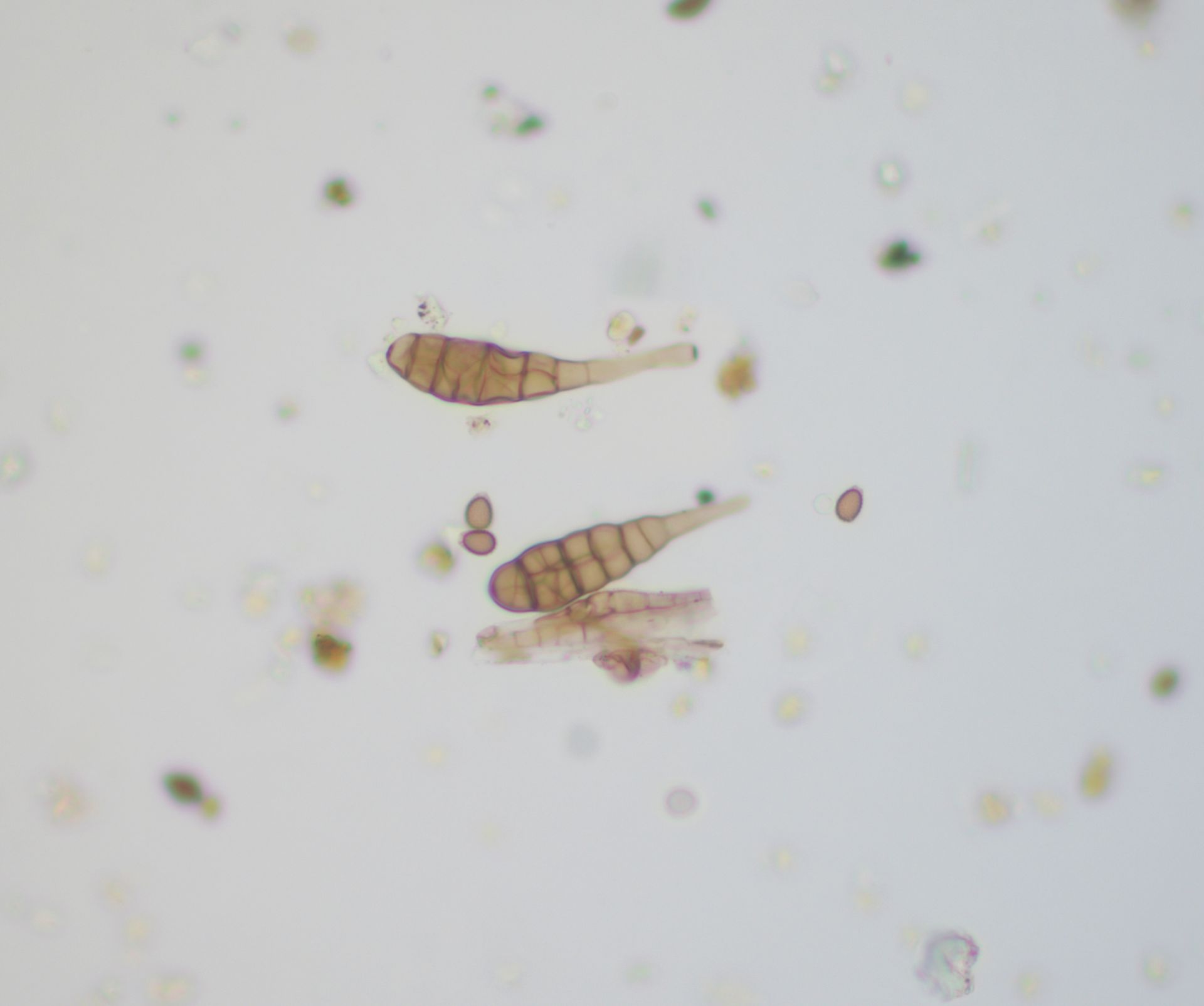
Fungal spores (Alternaria)
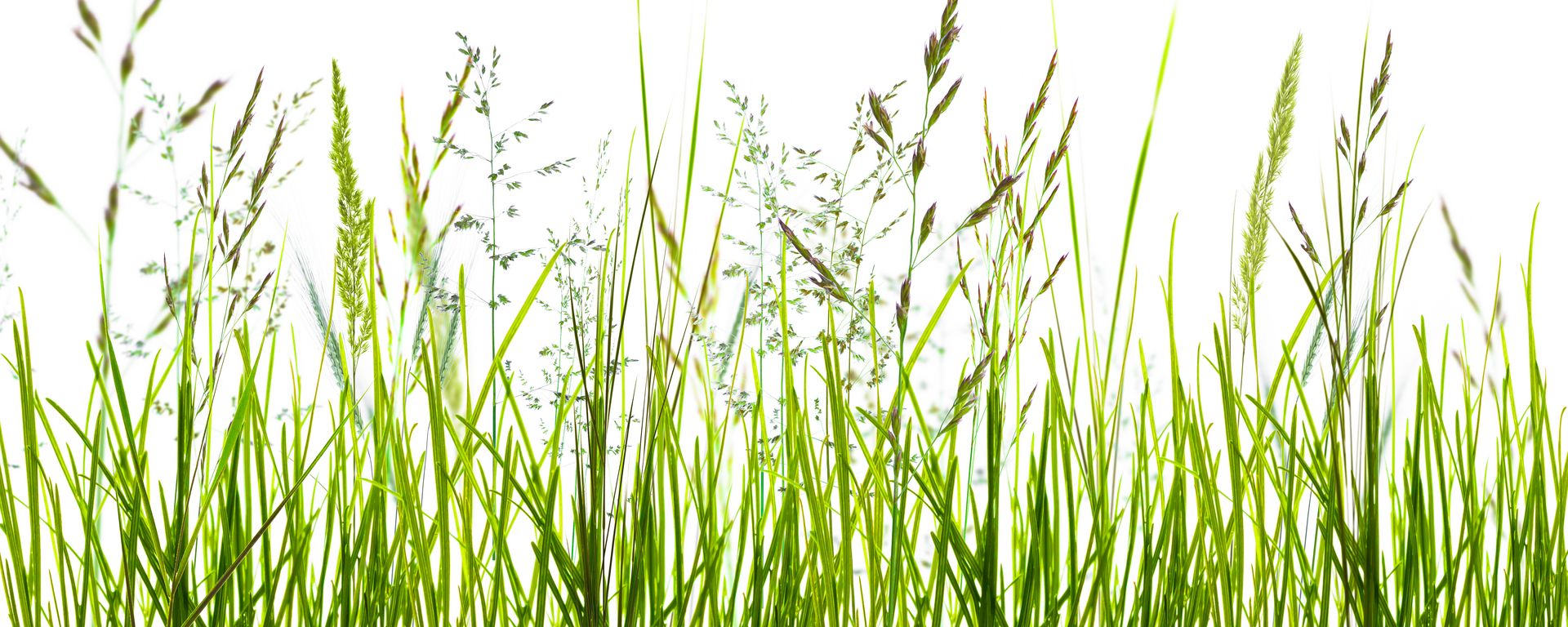
Grasses (Poaceae)
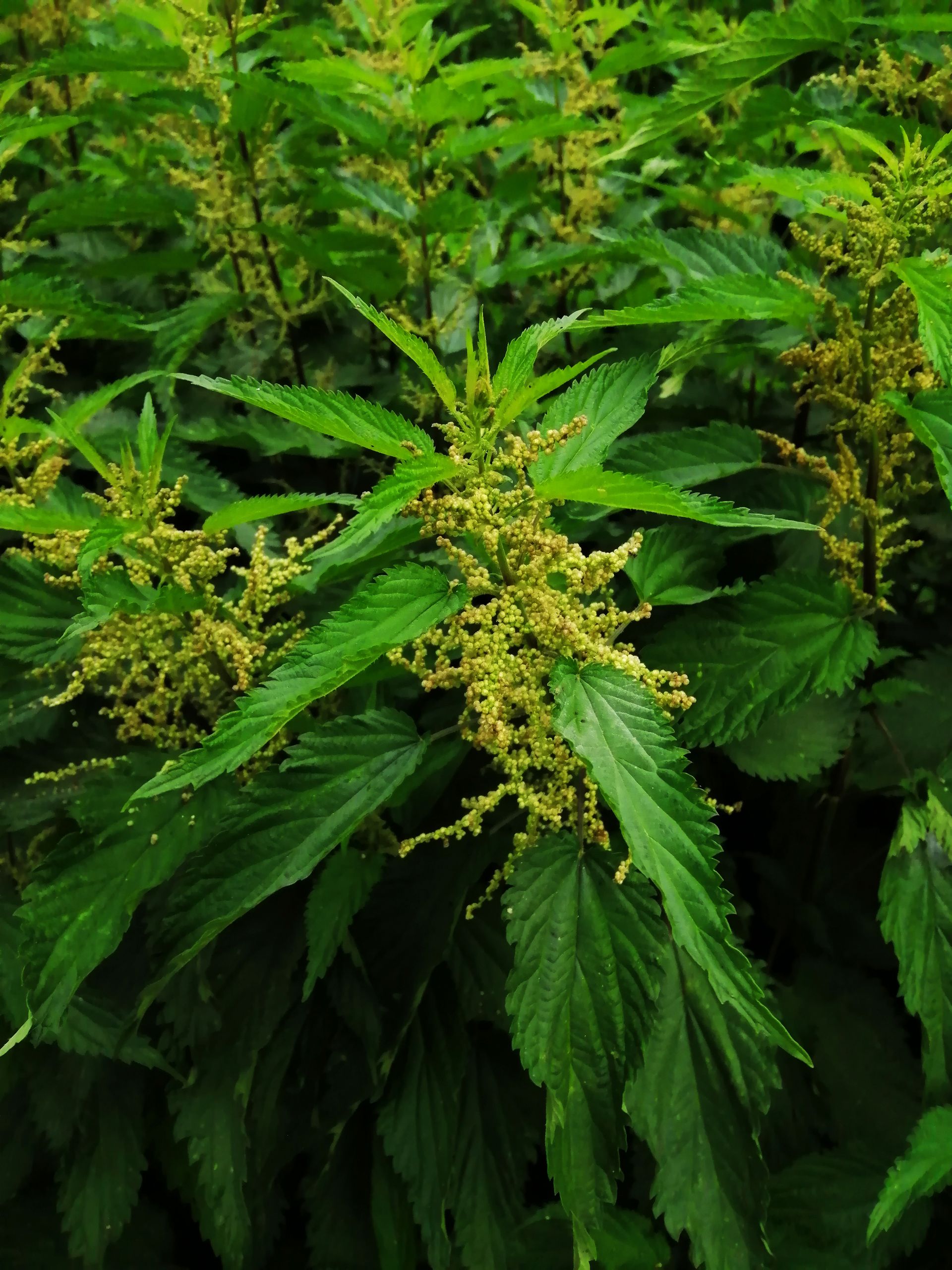
Nettle family (Urticaceae)
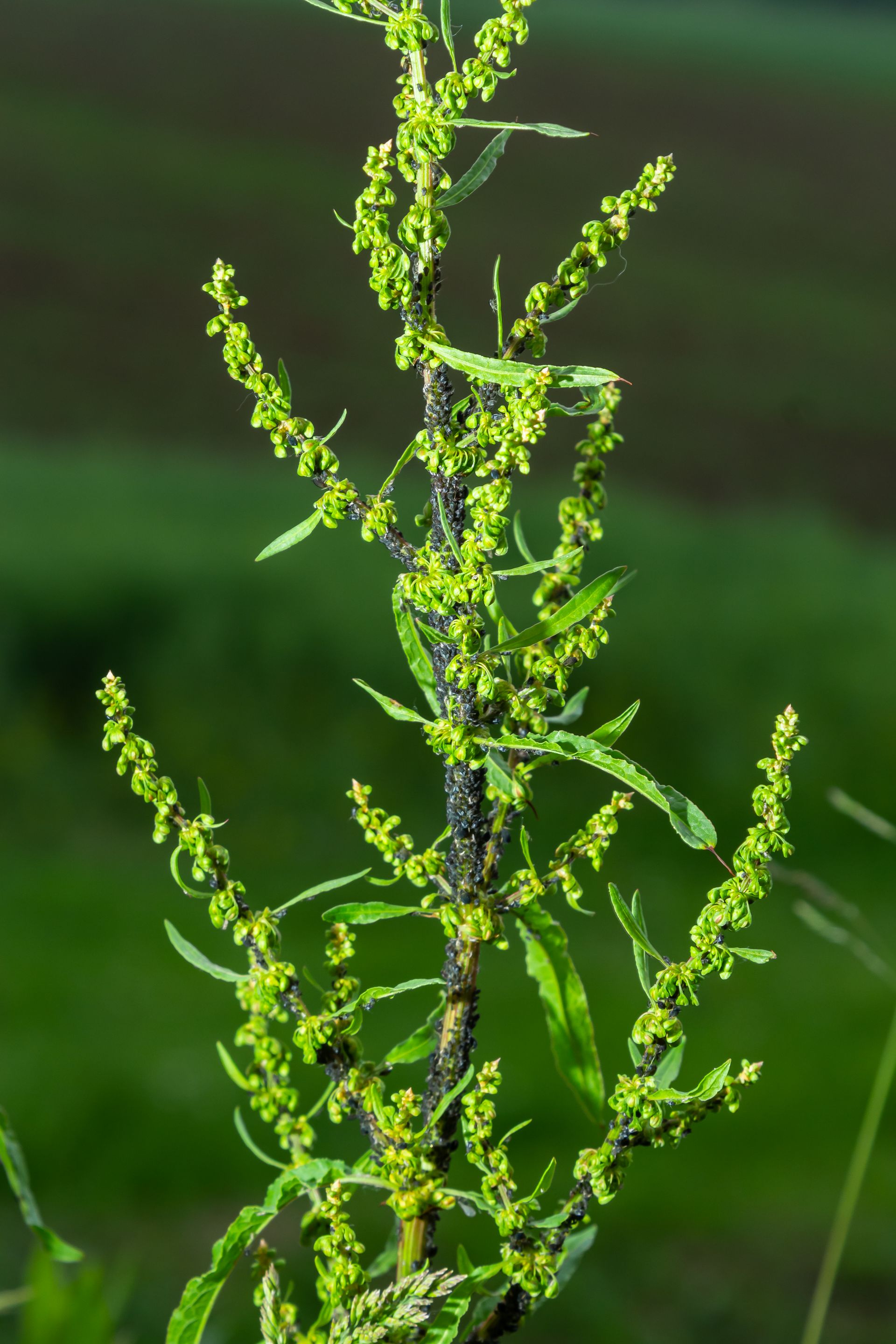
Dock/sorrel (Rumex)