

Pollen stress at Christmas time
Purple alder and cross-allergies are already bothering allergy sufferers in December.
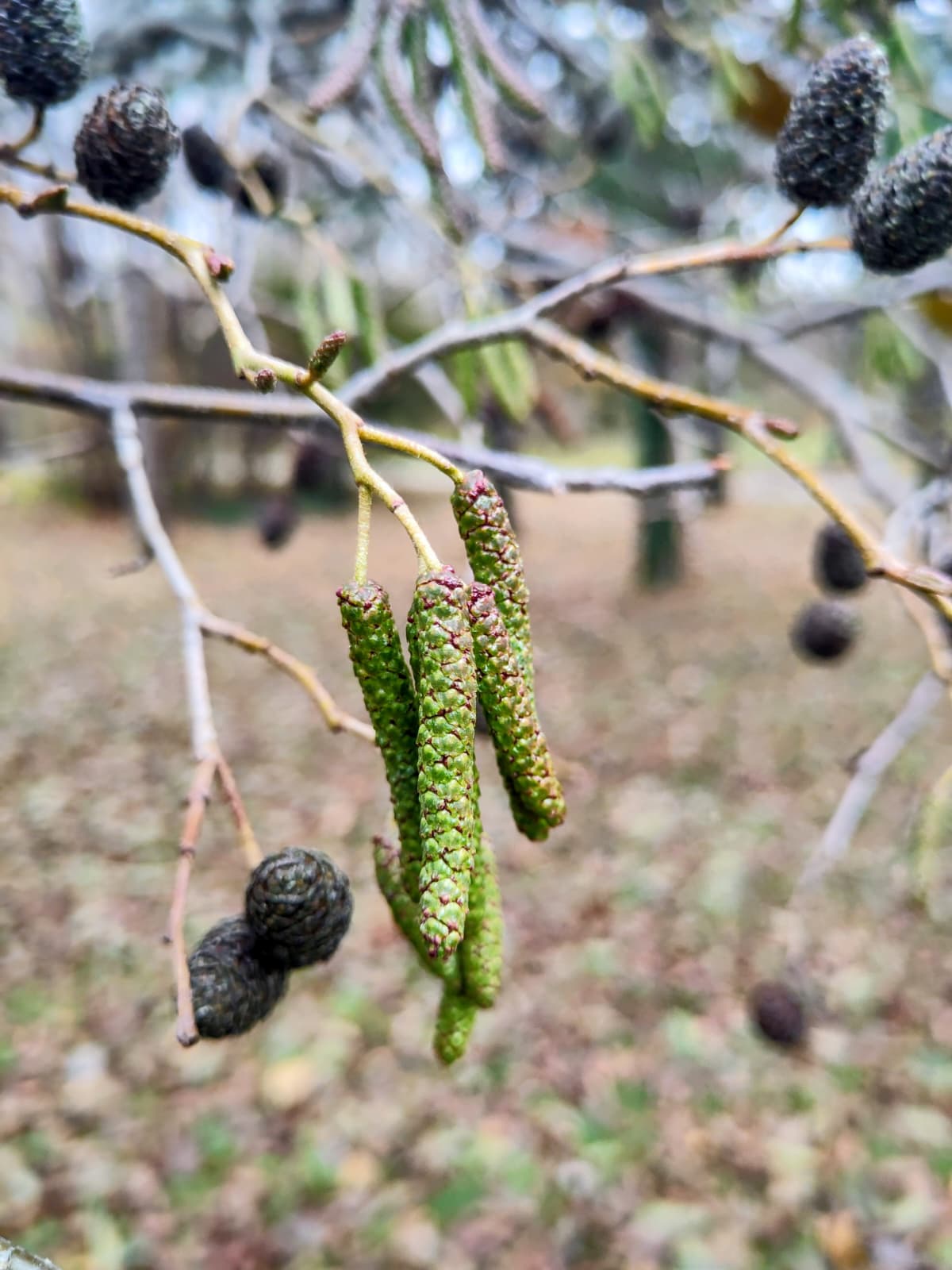
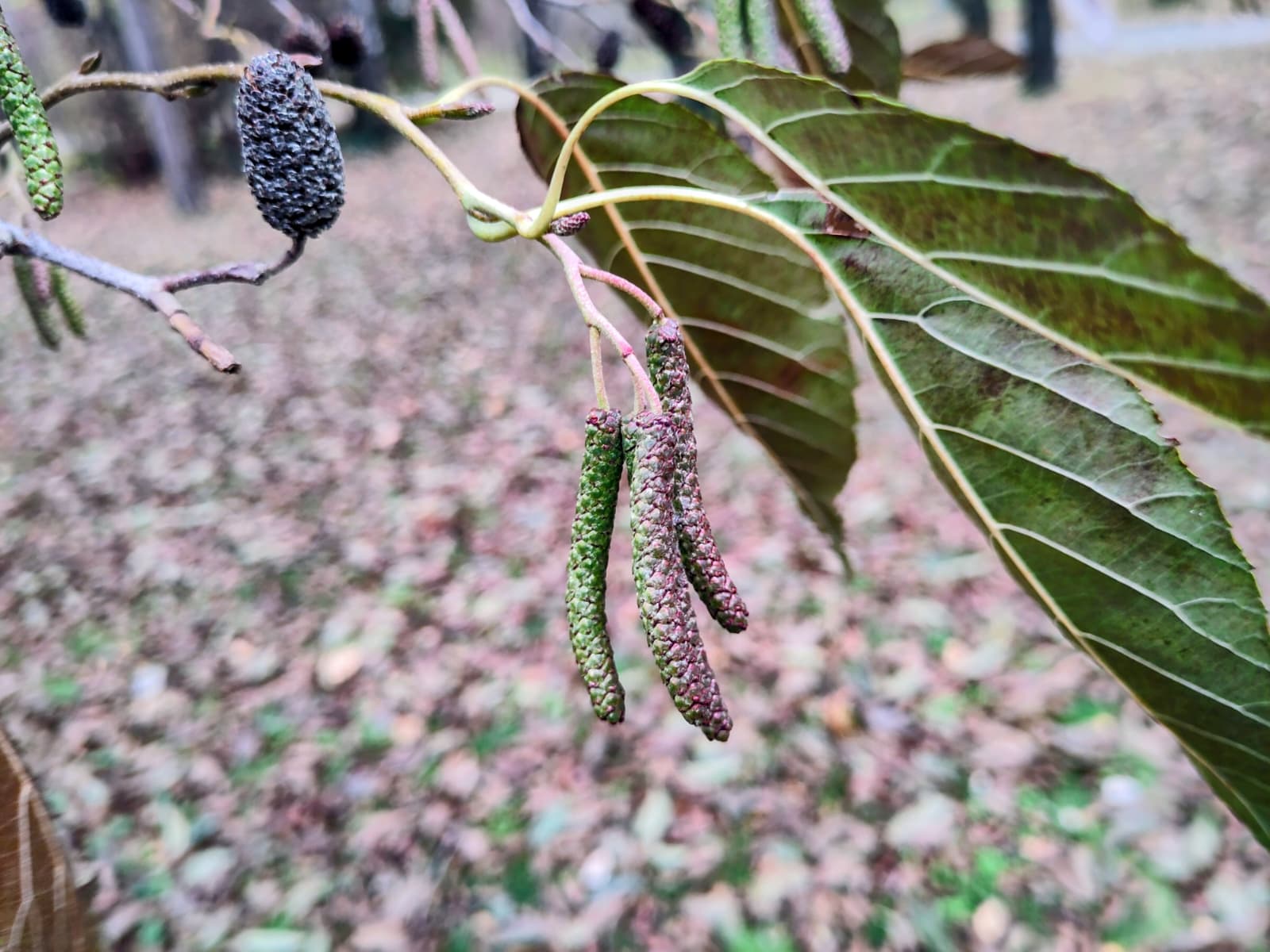
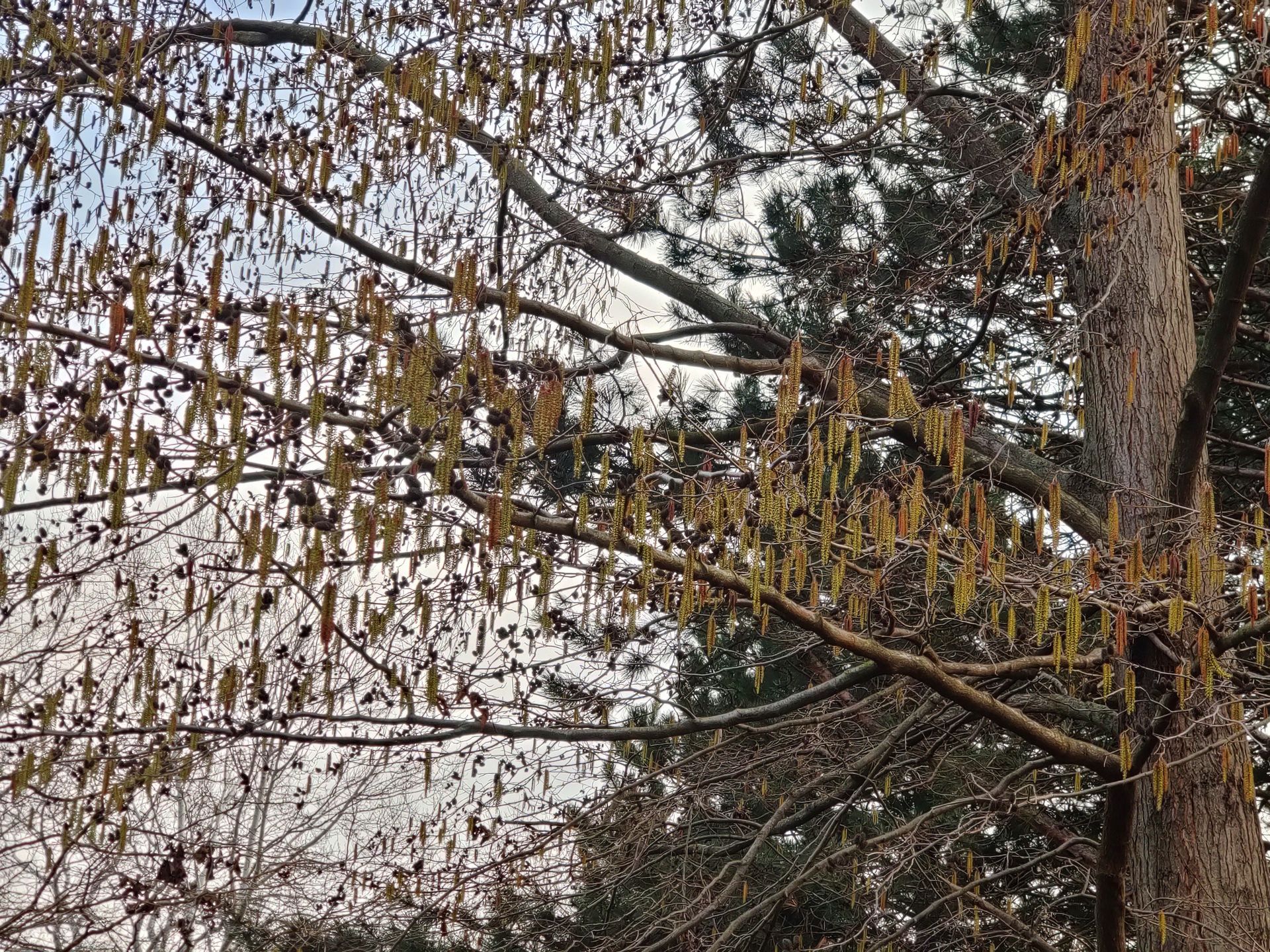
For some allergy sufferers, a time of unexpected stress is already beginning instead of winter peace and quiet: the pollen count of the purple alder is already causing itchy eyes, sneezing and breathing difficulties during the Christmas period. This shows that, in addition to climate change, the design of urban green spaces also has a drastic influence on the pollen season. This is a topic that is also being addressed by the EU project "PollenCare", which starts its work at the beginning of December. In addition to improving the forecasting models in the Austrian-Hungarian border region, the aim of this project is to develop proposals for allergy-friendly urban green spaces. The Austrian Pollen Information Service (ÖPID) is the scientific partner of the project.
The calm before the next (pollen) storm is short-lived, as the purple alder begins to bloom as early as the second half of December. The alder species, which is increasingly planted as an ornamental tree in urban areas such as Vienna, Graz and Linz, causes allergic complaints at a time when hardly anyone expects pollen. "Its winter resistance, high salt tolerance and adaptability to poor air conditions make the purple alder attractive to many urban developers. At the same time, its characteristic catkins retain a certain visual elegance even in winter," says Dr Markus Berger, head of the Austrian Pollen Information Service.
Insidious cross-allergy
Due to its close botanical relationship to birch and hazel, purple alder can trigger cross-reactions. This means that anyone who is allergic to birch, hazel or alder pollen often also reacts to purple alder pollen. In addition, birch pollen allergy sufferers often also react sensitively to nuts such as almonds, hazelnuts, walnuts or peanuts with itching, burning or tingling in the mouth and on the lips (oral allergy syndrome). The good news is that if the nuts are roasted or baked, they are usually tolerated.
"According to analyses of our pollen diary, complaints in December have increased significantly over the last 15 years," says Berger. "This is due to both climate change and a lack of knowledge about the allergenicity of purple alder, which has favoured its increased planting. We are generally seeing a trend towards higher pollen production in early flowering plants. Due to the structural similarity between the pollen of all alder species, the exact proportion of purple alder in the total amount of alder pollen in the ambient air cannot be determined."
EU project "PollenCare": changing pollen season
The example of the purple alder shows that when designing green spaces, it is not only important to choose plants that can cope well with the prevailing conditions, but that the allergy potential must also be taken into account.
This is where the cross-border INTERREG project PollenCare comes in. "The aim of the non-university research project is to reduce the health burden caused by pollen allergies in the Austrian-Hungarian border region," explains Austrian project manager Uwe E. Berger, MBA. "Over the next three years, we will develop strategies and proposed measures to reduce the proportion of highly allergenic plants in urban green spaces in the long term while protecting and promoting natural habitats." In addition to the further development of existing services such as the Pollen+ app, this also includes pilot projects for allergy-friendly, climate change-adapted green space design in municipalities.
Conclusion:
While snowfall is still a long time coming in many places, the purple alder will soon be spreading its pollen. For allergy sufferers, this means that caution is advised even in the Advent season. At the same time, it shows how important projects such as PollenCare are in order to better understand the changes in the pollen season and to be able to react to new challenges at an early stage.