


Pollen forecast for Carinthia from 24 September to 1 October 2026
An above-average pollen season is drawing to a close!
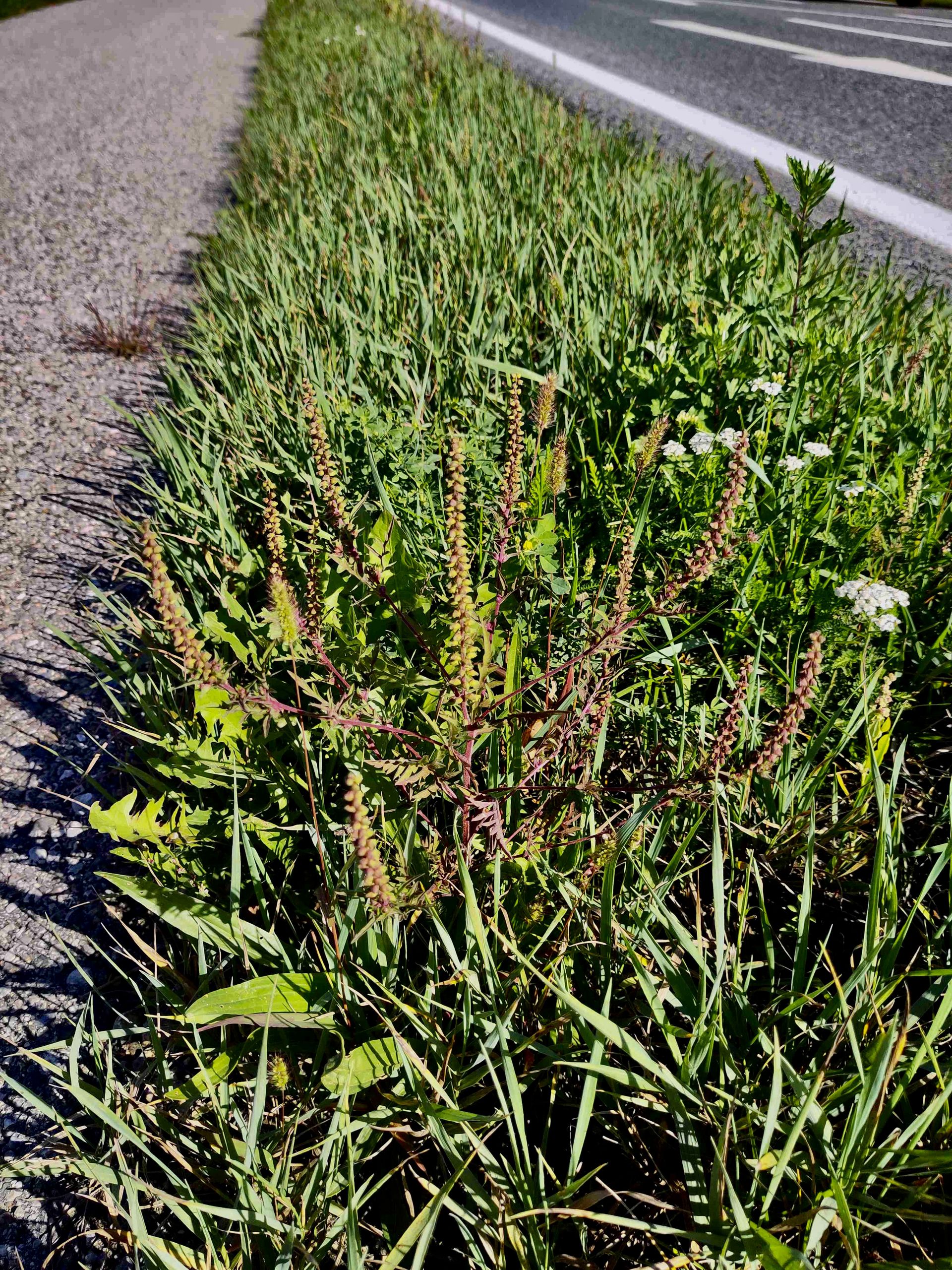
The 2026 growing season, which has seen pollen counts at above-average levels in some areas, is drawing to a close. Based on current vegetation trends, the likelihood of pollen allergy symptoms occurring in the second half of September is very low. The ragweed stands along motorways and roadsides have, for the most part, been mown or have finished flowering. Most ragweed plants growing as weeds in agricultural crops have also finished flowering. Consequently, only very low levels of ragweed pollen are currently being recorded. This low level of ragweed pollen dispersal is of no significant allergological importance.
There is also no longer any grass pollen count of allergological significance in the vicinity of Grummet hay meadows.
Very small amounts of pollen are also being released by mugwort, plantain, sorrel and goosefoot species.
It is typical for autumn that fungal spore counts are at times very high.
Dr Helmut Zwander
Responsible for the content
Amt der Kärntner Landesregierung
Abteilung 5 (Kompetenzzentrum Gesundheit)
UA Sanitätswesen
Pollenwarndienst Kärnten
Dr. Helmut Zwander, Dr. Susanne Aigner und Mag. Herta Koll.
Mittelfristige Prognose basierend auf Modelldaten und Pollenzählungen.
Auszugweiser oder vollständiger Nachdruck und Veröffentlichung nur unter Angabe der Quelle gestattet.
Wetterdaten und Prognosen basierend auf synoptischen Daten:
GeoSphere Austria, Bundesanstalt für Geologie, Geophysik, Klimatologie und Meteorologie (ehemals ZAMG).
zum Team
