Pollen information for Tyrol from 8 May 2026
Grass pollen season begins - birch pollen in Tyrol on the decline!
Pollen production and dispersal have remained active in Tyrol over the past week. While birch pollen concentrations are now decreasing in many valley locations, the grass pollen season is starting and will become increasingly important in the coming weeks. Changeable weather conditions and periods of precipitation are expected over the next few days, which may provide temporary relief for allergy sufferers.
Birch pollen: In valley locations such as Innsbruck, the birch pollen season is now largely coming to an end and allergen levels are predominantly low. At higher altitudes, however, the birch blossom is delayed so that moderate to locally high pollen concentrations can still occur there. Higher altitudes are therefore currently more affected by birch pollen than valley locations. The pollen concentrations of beech and oak are also slowly decreasing, but can still reach moderate levels locally. Due to cross-reactions with birch pollen, these species can continue to cause symptoms in people who are sensitised to birch pollen.
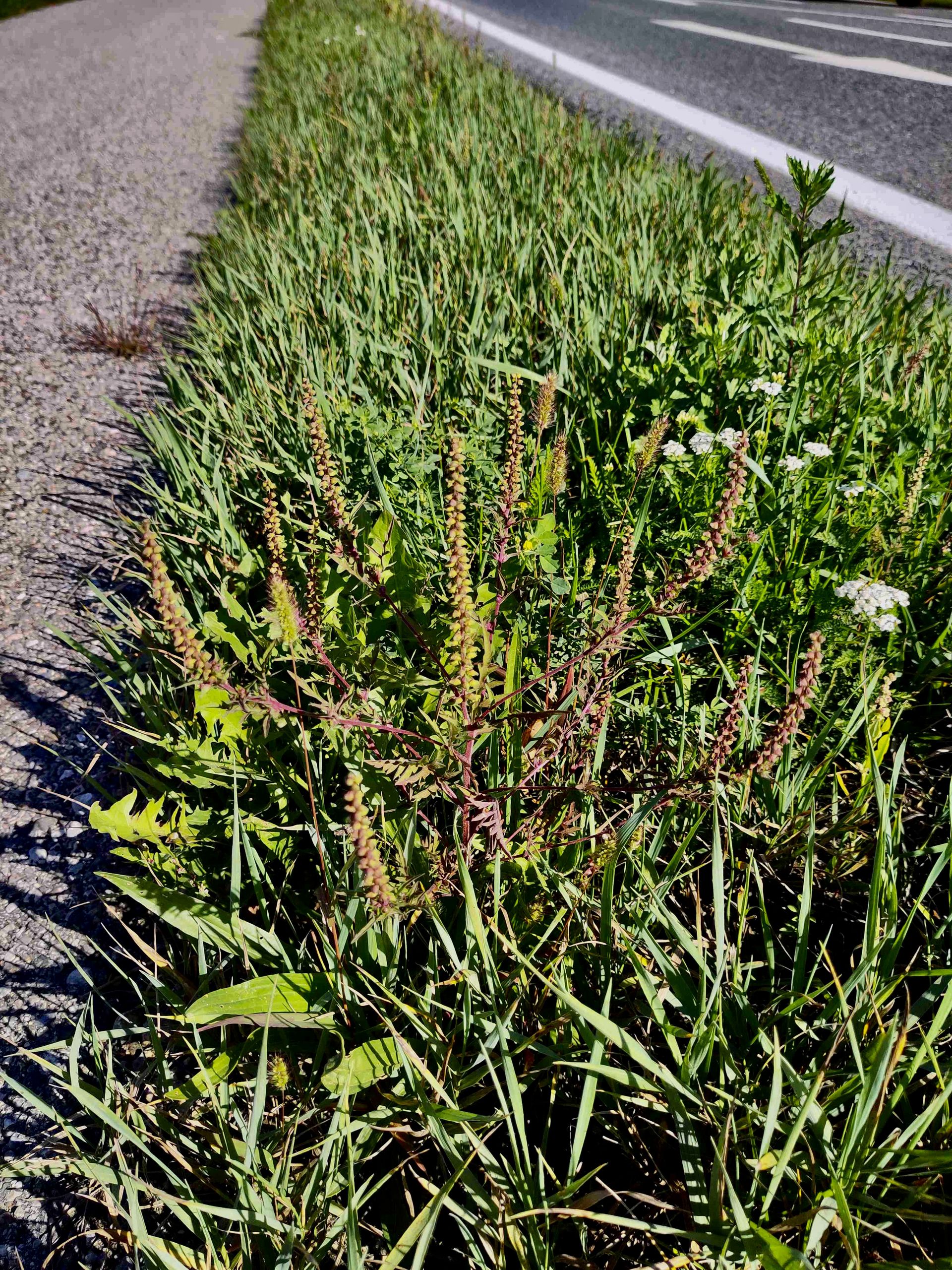
Grass pollen: The main allergenic challenge is now increasingly shifting to the grasses. Grasses are reaching their flowering stage in large parts of the region, especially at lower altitudes. Grass pollen concentrations are currently in the low to moderate range, depending on the location, but are likely to increase further in the coming days. In addition, low concentrations of plantain and dock pollen have been detected. Plantain pollen has a moderate allergenic potential and often affects people who are already sensitised to grass pollen. Sorrel pollen is considered less allergenic, but can increase symptoms in people allergic to grasses. Together, these additional pollen types can increase the burden for allergy sufferers. If you are allergic to grass pollen, now is a good time to take appropriate precautions. Spending time at higher altitudes can be helpful, as grass pollen concentrations tend to remain lower there at the moment.
Other types of pollen: Pollen from spruce and pine are currently on the rise and make up a large proportion of airborne pollen. Last week, in warm and windy conditions, impressive yellow clouds of spruce and pine pollen were observed rising from wooded slopes. Their characteristic yellow deposits are now clearly visible on cars, window sills, garden furniture or in puddles. Although these types of pollen are not allergenic, they can cause mild irritation, such as a foreign body sensation in the eyes. In addition, pollen from horse chestnut, larch, walnut, cypress and willow have been detected, but these have a low allergenic relevance.
Situation at higher altitudes: At higher altitudes, birch pollen can continue to be a relevant allergenic burden due to delayed flowering. However, these areas currently remain more favourable for people with a grass pollen allergy.
Pollen and weather conditions: Pollen dynamics are closely related to weather conditions, which influence pollen production and dispersal. Humidity and precipitation reduce pollen release and dispersal, while warm and sunny weather usually leads to higher pollen concentrations in the air. Wind also plays an important role in the transport of pollen over long distances and can also affect allergy sufferers far away from the actual source. Understanding these relationships is crucial for effective allergy management and pollen forecasting.
Stay informed and take precautions: Knowing the current pollen concentrations in your area is important to better control allergy symptoms. Follow our regular updates and take appropriate measures to reduce your exposure. With the right precautions, you can continue to enjoy your time outdoors during the pollen season. As the grass pollen season begins, we wish all allergy sufferers lots of strength and stamina for the coming weeks and assure you of our continued support and guidance throughout the season.
Responsible for the content
Universität Innsbruck
Institut für Botanik
Dr. Laurent Marquer
Mittelfristige Prognose basierend auf Modelldaten und Pollenzählungen.
Auszugweiser oder vollständiger Nachdruck und Veröffentlichung nur unter Angabe der Quelle gestattet.
Wetterdaten und Prognosen basierend auf synoptischen Daten:
GeoSphere Austria, Bundesanstalt für Geologie, Geophysik, Klimatologie und Meteorologie (ehemals ZAMG).
zum Team