

FM4 Frequency Festival 2026
Event impact at the FM4 Frequency Festival 2026 in St. Pölten
From 20 to 22 August, Green Park in St. Pölten will once again be transformed into a festival site, right on the banks of the Traisen. If you suffer from hay fever, it’s worth checking the current pollen count, as mid-August is a busy time in terms of airborne pollen.
What’s in bloom right now?
The grass pollen season is largely over, which is why only low concentrations are currently being recorded at our monitoring station in St. Pölten. Although relevant grass pollen concentrations are generally expected to persist for longer along riverbanks, this is only likely to a limited extent due to the heat and dryness of this year’s summer. Nor is a second flowering of grasses in the festival area currently expected. However, anyone camping on the banks of the Traisen should watch out for sorrel, nettles, foxtail plants and plantain, as these can still cause additional exposure along the roadside.
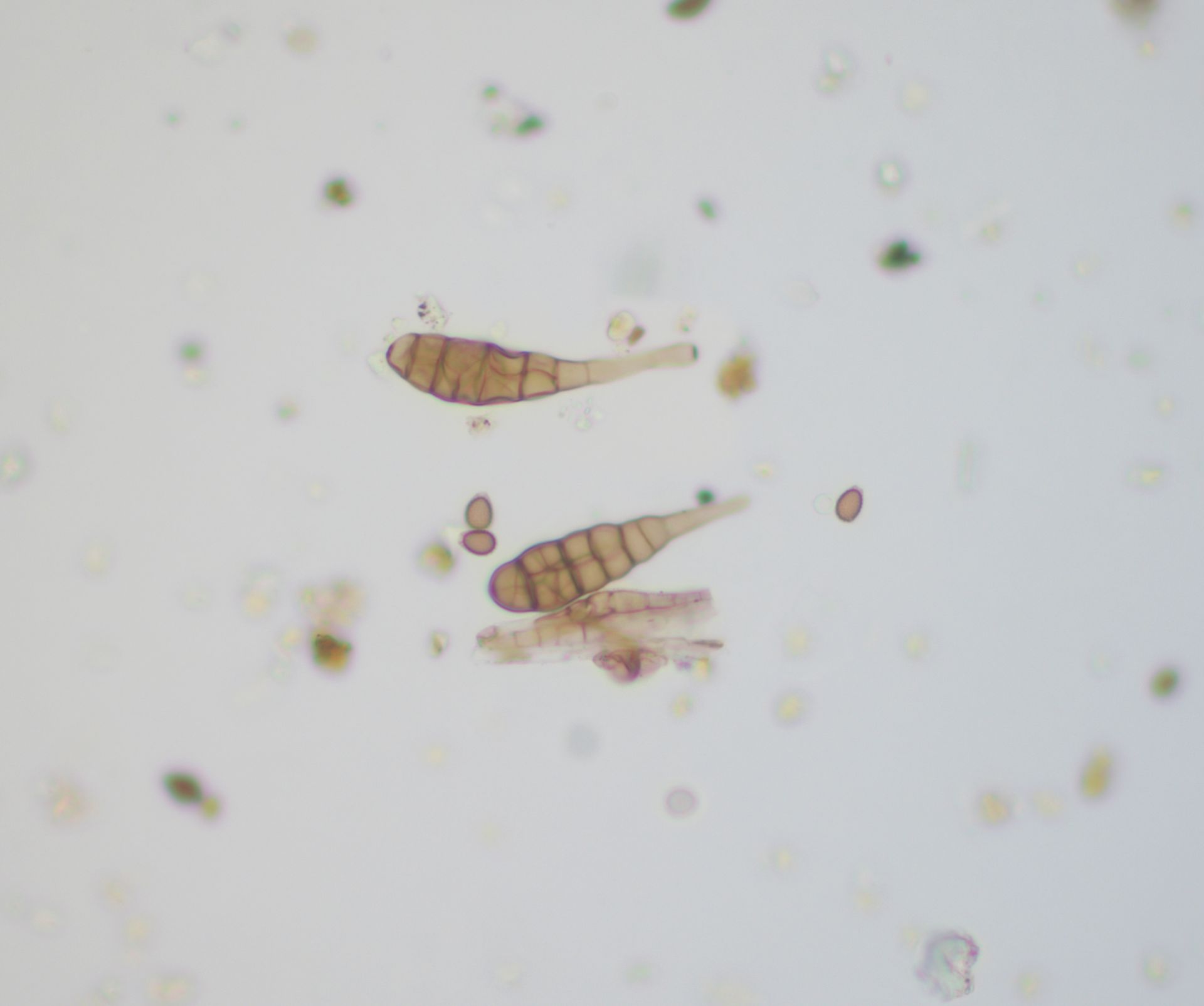
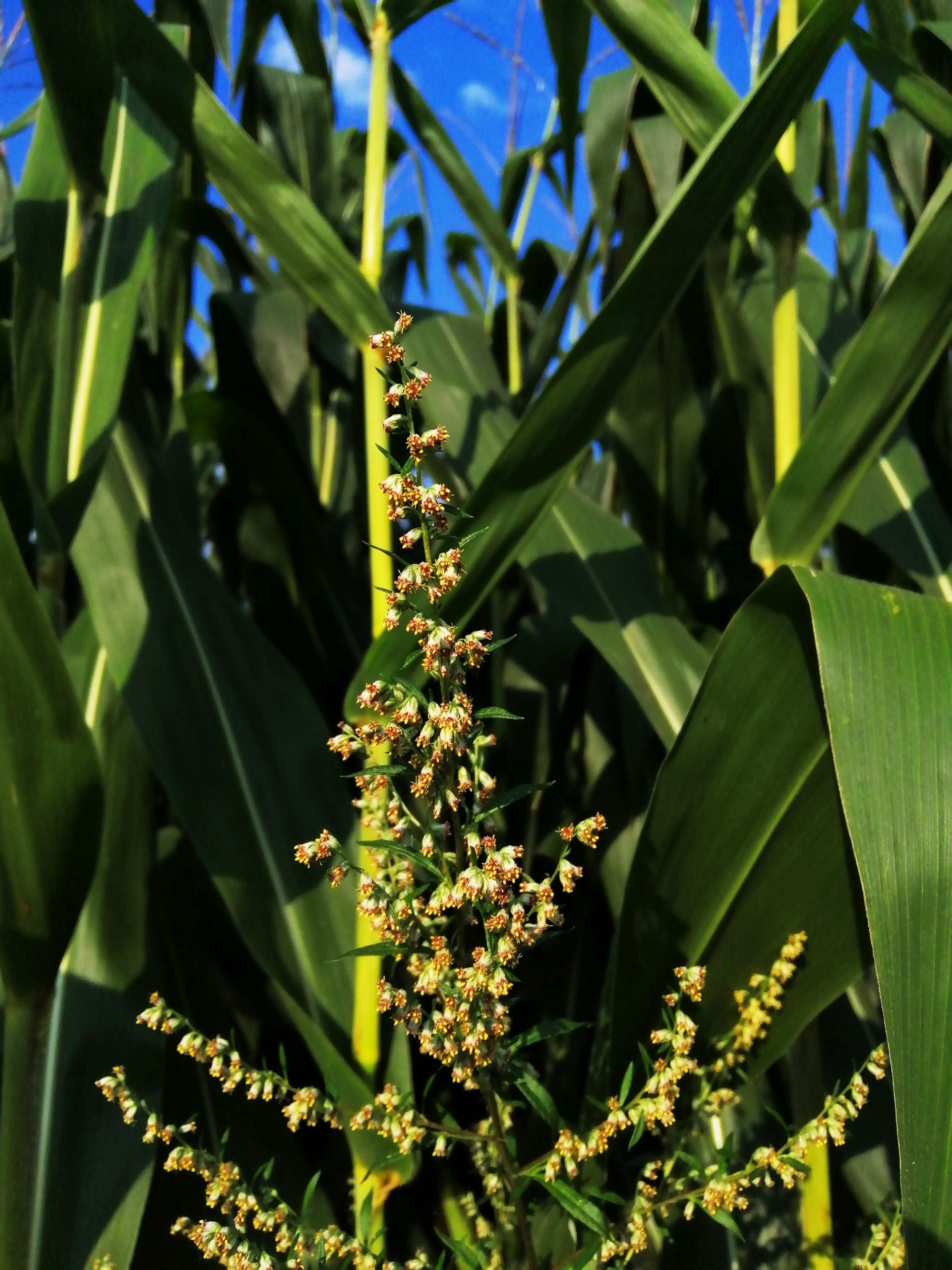
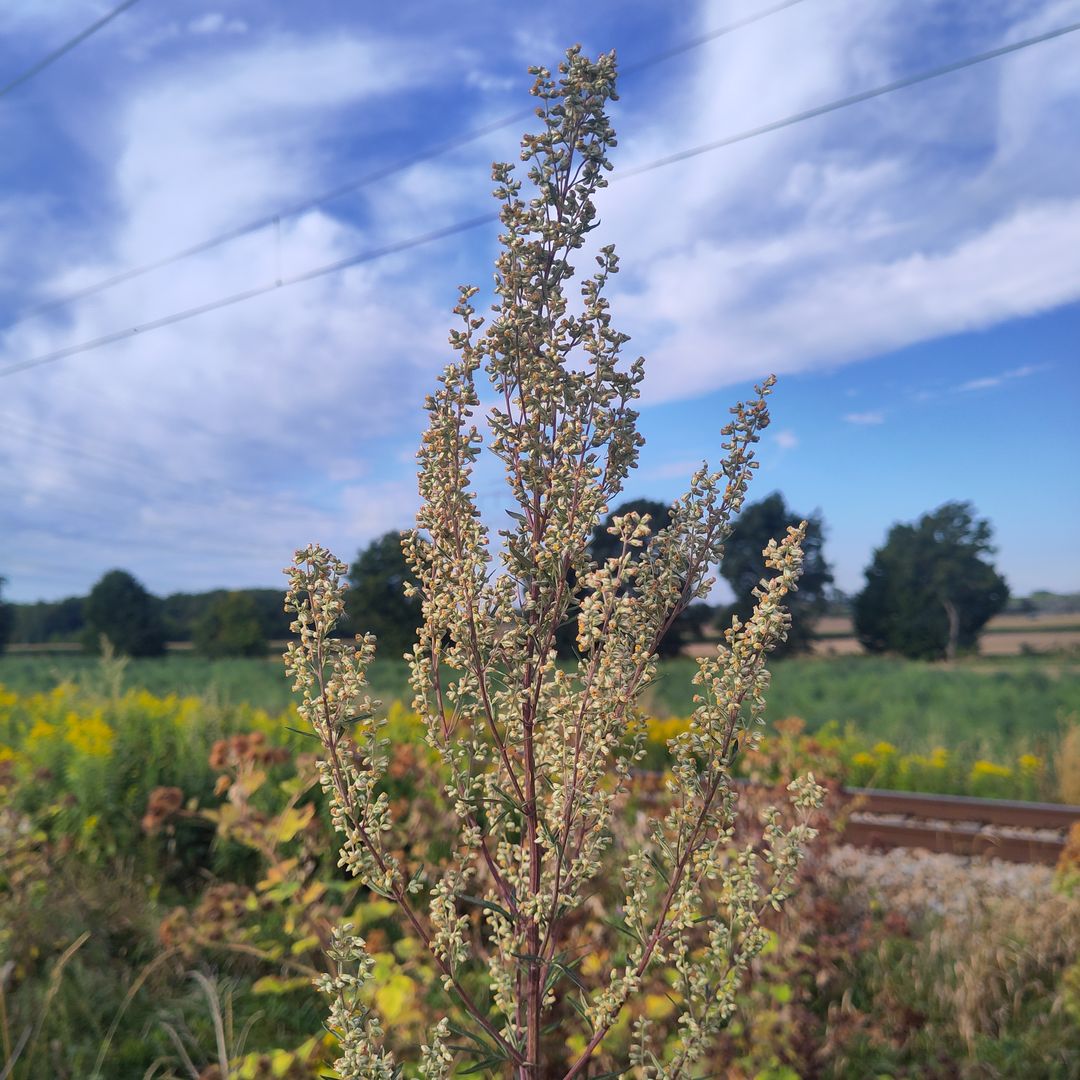
In addition to fungal spores, mugwortpollen is also a dominant allergen at the time of the festival. Commonmugwort (Artemisia vulgaris) favours precisely those locations that are frequently found around a festival site. These include areas heavily influenced by human activity, such as building sites, rubble sites and roadsides. Experience shows that the first peak in pollen levels is reached in mid-August, so high mugwort pollen concentrations are to be expected at the Frequency festival.
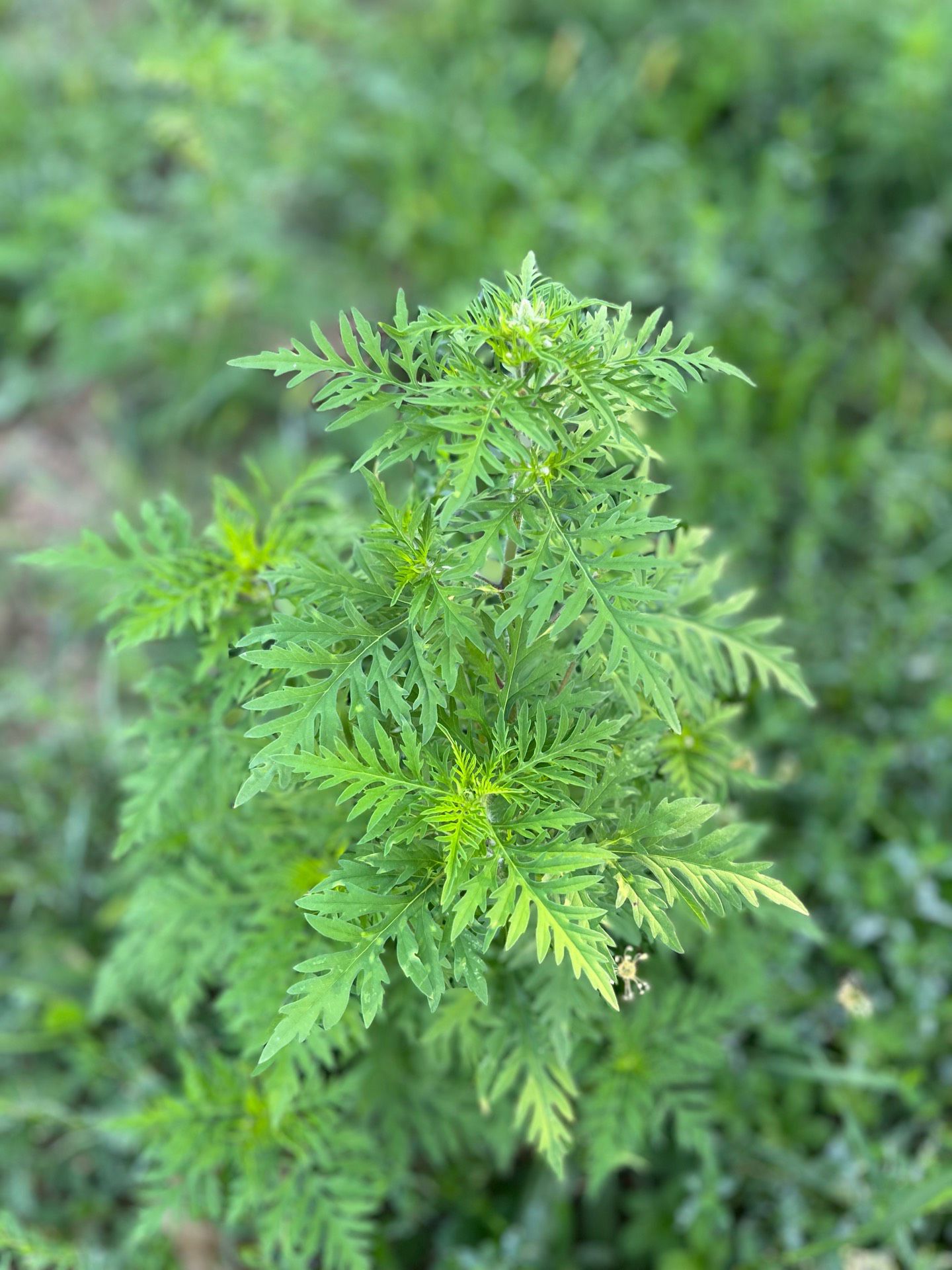
The first concentrations of ragweed pollen (Ambrosiaartemisiifolia) can also already be detected in the pollen spectrum. These are likely to be caused by ragweed plants from the east, which can be carried as far as Austria via long-distance transport. However, the peak season does not begin until the following weeks. People with ragweed pollen allergies should therefore keep an eye on the situation.
Tips for allergy sufferers at Frequency, by Dr Markus Berger
- Remember your emergency medication: antihistamines, eye drops and nasal spray should be included in allergy sufferers’ festival luggage, as should an emergency inhaler for those with known asthma.
- Protect your eyes: Wearing sunglasses and a hat significantly reduces contact between pollen and the conjunctiva.
- Be careful when choosing a campsite: Where possible, avoid camping in the immediate vicinity of densely vegetated riverbanks or fallow land, as mugwort and grasses are common there.
- Hair and clothing: Pollen gets trapped in your hair and on your clothes. Having a shower before going to bed, or at least tying your hair back, as well as wearing separate nightwear, helps to reduce the amount of pollen in your tent overnight.
- Rain: Rainfall can wash pollen out of the air, providing temporary relief for allergy sufferers. However, it stimulates the release of fungal spores, which can lead to sudden spikes in pollen levels.
- Latest pollen information: You can find the daily pollen count for the festival site here on the ‘Event Pollen Count’ page. Further information is available at polleninformation.at and in the Pollen+app.
- Although the main site at Green Park St. Pölten is tarmac-surfaced, the campsite can still get quite dusty. These dust clouds can further irritate the airways of people with allergies and lead to an intensification of their symptoms.