


Pollen forecast for Burgenland, 15 October 2026
The pollen season is slowly drawing to a close as ragweed pollen levels fall!
The weather in Burgenland will remain dry and sunny to cloudy into next week. Maximum daytime temperatures in Burgenland will generally only range between 15 and 20 degrees.
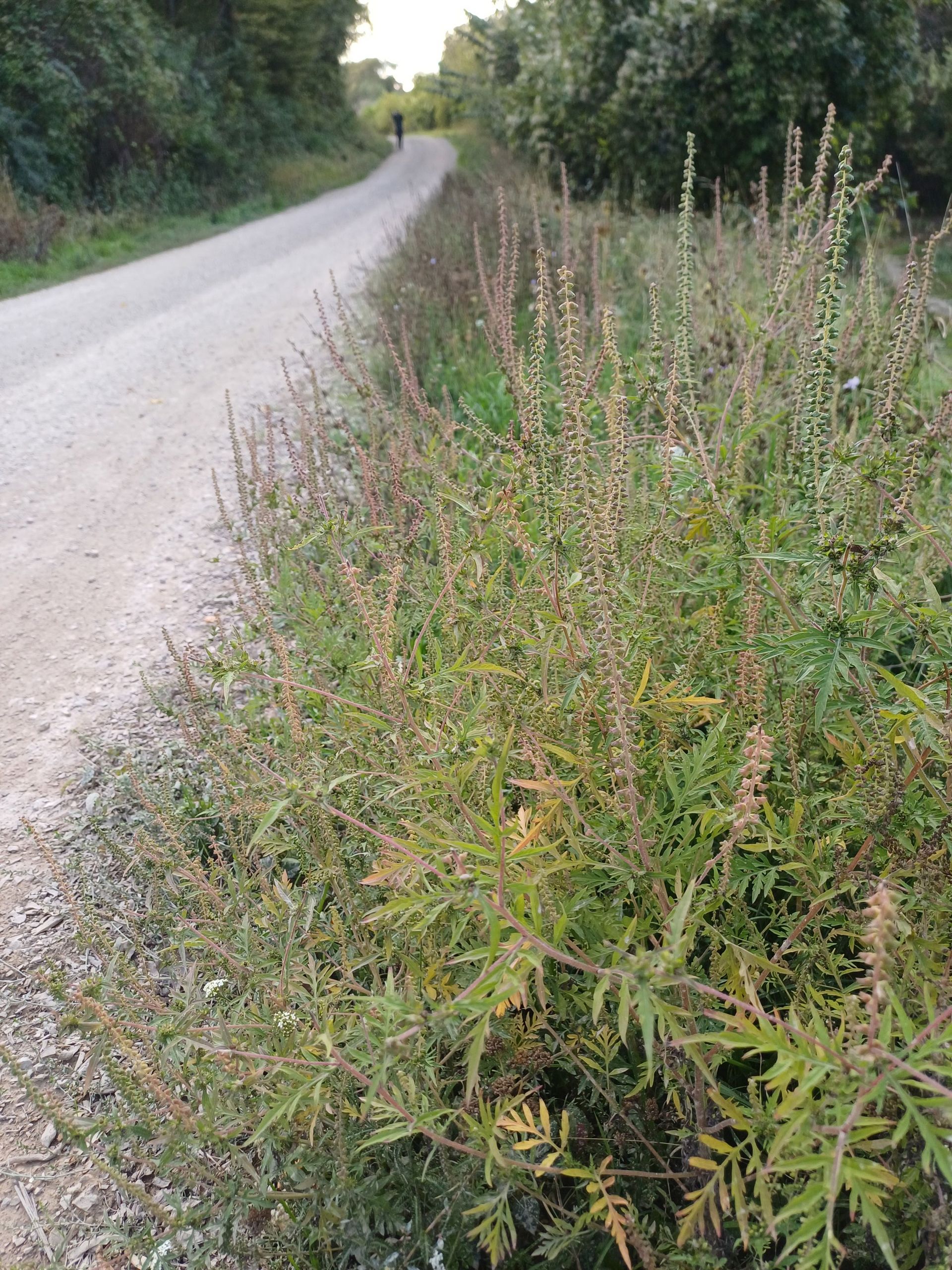
The pollen season is drawing to a close. Ragweed pollen is still present in the air and may still cause occasional symptoms, though a clear downward trend is already evident.
Fungal spores are still present in the air and may continue to cause symptoms in those affected until late autumn.
We will continue to provide a brief weekly update on the current situation. Should there be any changes to the pollen profile in the meantime, we will, of course, inform you as soon as possible.
Responsible for the content
AZ Pollenresearch GmbH
im Auftrag der Burgenländischen Landesregierung.
Dr. rer. nat. Johannes M. Bouchal und Lukas Dirr, MSc.
Wetterdaten und Prognosen basierend auf synoptischen Daten:
GeoSphere Austria, Bundesanstalt für Geologie, Geophysik, Klimatologie und Meteorologie (ehemals ZAMG).
zum Team
