Pollen information for Carinthia for the period from 12 to 19 March 2026
Hazel and alder continue to be a burden!
The early bloomers are particularly persistent this year. The exceptionally high pollen count will therefore continue to accompany us through the forecast period. In thermally favoured locations hazel(Corylus avellana) and grey alder grey alder (Alnus incana) have clearly passed their full bloom, but there are still enough pollen grains in the air to cause allergic reactions. Especially hazel bushes in less favoured locations and at higher altitudes can continue to cause increased pollen concentrations locally.
While the pollen release of the widespread grey alder is already declining, the somewhat later flowering black alder (Alnus glutinosa) is now really taking off. Particularly in the valleys of central and eastern Carinthia, it will reach the peak of its flowering phase in the forecast period and thus continue to provide plenty of pollen in the air.
The highest pollen concentrations during the day are usually recorded from late morning and continue into the evening hours. Early risers therefore have a small advantage, at least in terms of pollen, as the pollen count is usually lowest in the early hours of the morning.
A small ray of hope: The forecast precipitation and lower temperatures will temporarily reduce the pollen count somewhat and thus provide a short-term respite for pollen allergy sufferers. However, with rising temperatures and friendlier weather, the pollen count will quickly pick up again.
The ash tree(Fraxinus excelsior) also slowly begins to release pollen in thermally favoured locations. Its pollen can trigger allergic symptoms in people who are sensitised to pollen from olive trees.
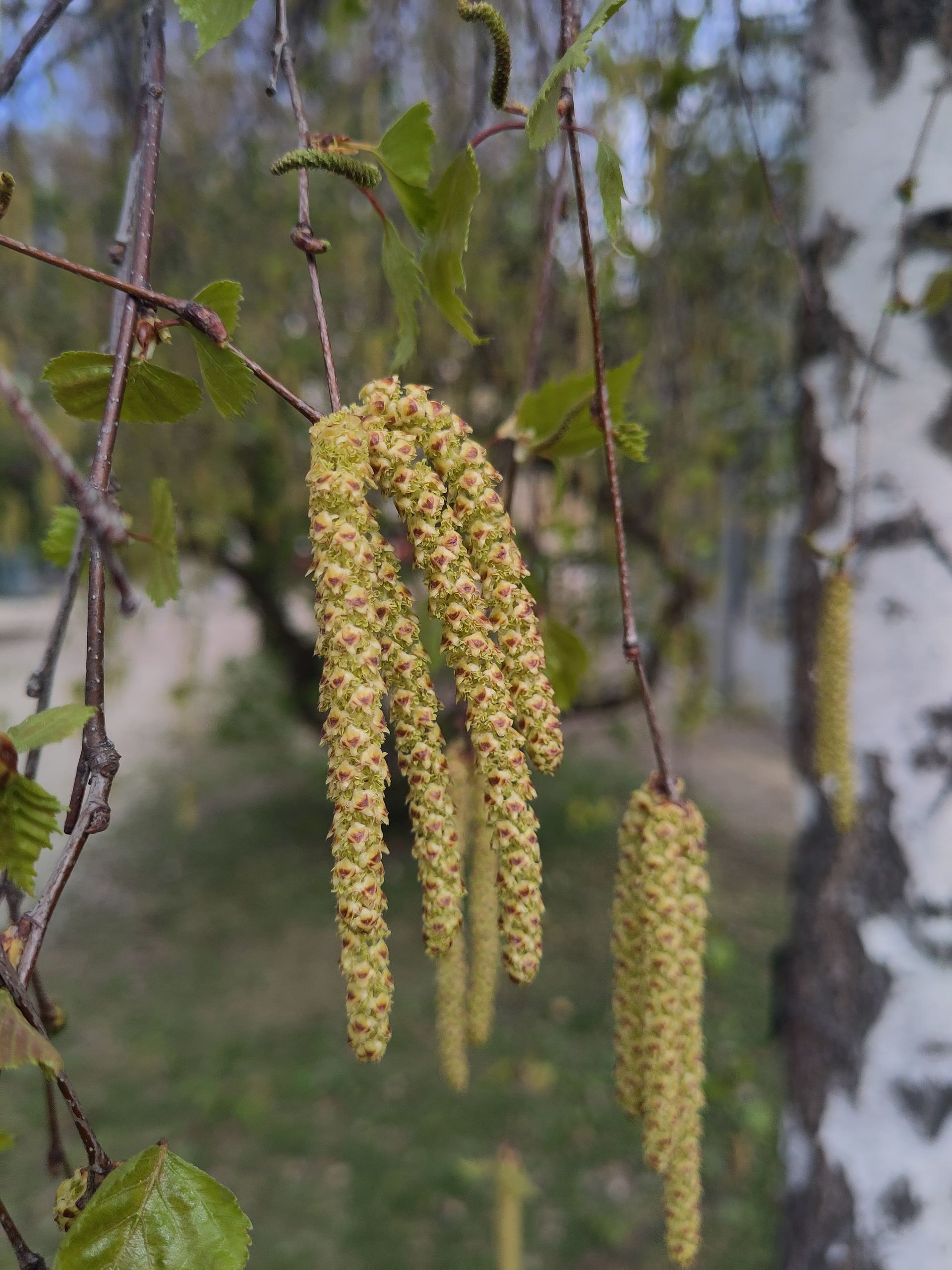
The birch(Betula) is still holding back: its flower catkins are still firmly closed in Carinthia. Birch blossom is not expected to begin in the current forecast period.
In addition to the dominant early bloomers, there is currently also pollen from elms(Ulmus), poplars(Populus), yews(Taxus) and cypresses (Cupressaceae) in the pollen spectrum. However, they only have a low allergological potential overall.
Dr Susanne Aigner
Responsible for the content
Amt der Kärntner Landesregierung
Abteilung 5 (Kompetenzzentrum Gesundheit)
UA Sanitätswesen
Pollenwarndienst Kärnten
Dr. Helmut Zwander, Dr. Susanne Aigner und Mag. Herta Koll.
Mittelfristige Prognose basierend auf Modelldaten und Pollenzählungen.
Auszugweiser oder vollständiger Nachdruck und Veröffentlichung nur unter Angabe der Quelle gestattet.
Wetterdaten und Prognosen basierend auf synoptischen Daten:
GeoSphere Austria, Bundesanstalt für Geologie, Geophysik, Klimatologie und Meteorologie (ehemals ZAMG).
zum Team